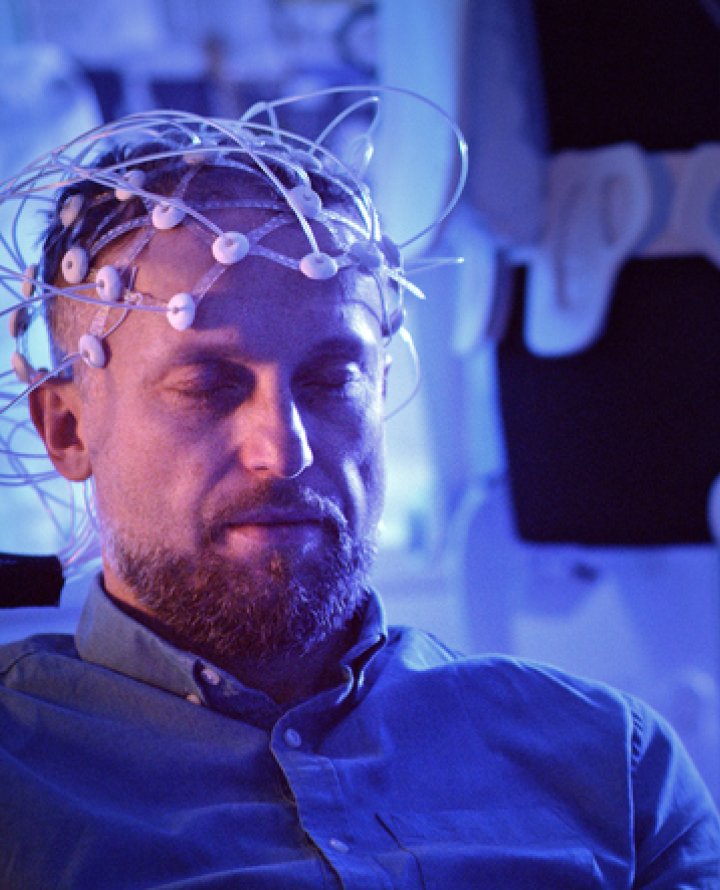
Neurological, psychiatric and mental disorders such as Alzheimer's, Parkinson's, MS, depression, anxiety disorders, burn out or ADHD, are common at all stages of life. Some of these conditions are expected to become increasingly common. However, many questions about the causes, treatments and social consequences are still unanswered. Sample questions are: What are causal and/or triggering factors for mental disorders, such as depression, anxiety, PTSD, schizophrenia, ADHD, addictions, et cetera?
What are causal and/or triggering factors for neurological disorders such as MS, Alzheimer's and Parkinson's?
Which neurological and psychological processes underlie (negative) emotions (e.g. sadness, jealousy) or cognitions (e.g. brooding) and how do these processes affect long-term health?
How can neurological and psychological problems best be treated (including with behavioural interventions, prevention, medication)?
How can the mental health services and other care institutions be optimally equipped for this?
Understanding and predicting neurological, psychiatric and psychological diseases is of great importance for Dutch society at large, as well as, of course, for patients and their environment.
Connecting character
Currently, it is still often difficult to treat neurological, psychiatric and psychological disorders. This also has consequences for the economy, including in terms of loss of labour. A transnational approach is needed to develop treatments, and first steps in this have been taken. This is where major strides can be made over the next decade. The questions submitted address a variety of disciplines within the life sciences, but also increasingly need contributions from the humanities such as philosophy to achieve a better understanding of the neurobiological and psychological basis of psychiatric and mental disorders and their treatment. Fundamental new knowledge from genomic research on origins is important to enable prevention and treatment of neurological, psychiatric and psychological disorders. Understanding neurological, psychiatric and psychological disorders requires a translational approach par excellence. This question is in line with the top sector Life Sciences & Health and the policy area 'Human and animal health and welfare'.