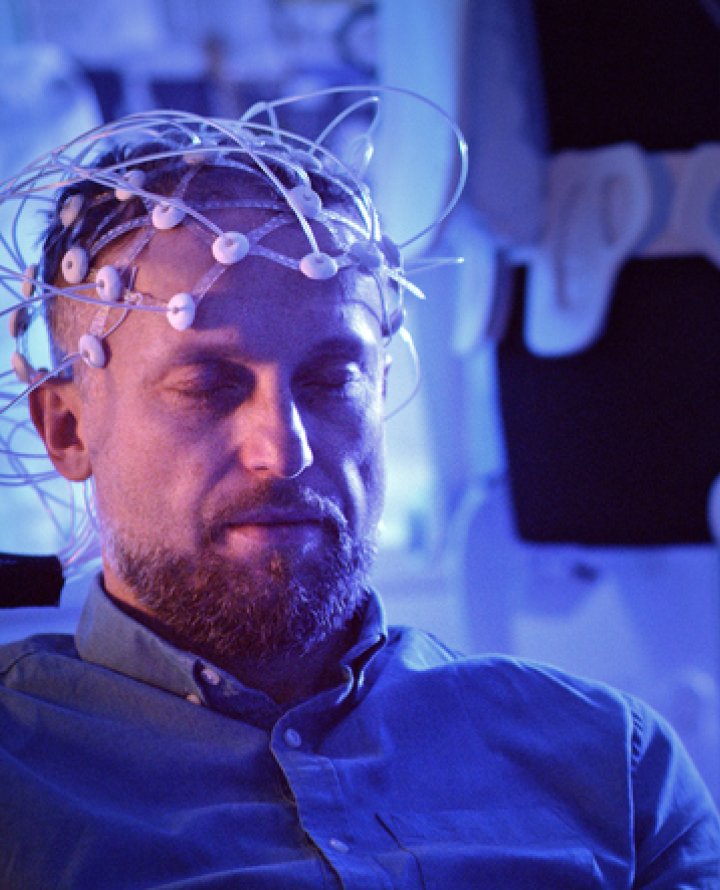
This innovative project is the first to systematically use accessible, portable, and non-invasive brain recordings, specifically the P600 event-related potential (ERP), as a diagnostic and prognostic tool in precision neuropsychiatry. The goal is to establish normative ranges for P600 to enable early diagnosis and treatment outcome prediction for neuropsychiatric disorders, significantly enhancing the precision of mental health care. By leveraging advanced machine learning techniques, the project will analyze large Electroencephalography (EEG) datasets to create the first comprehensive map of P600 responses in language processing, which builds on developmental insights from other ERPs like the P300, known for its role in neurocognitive aging. Recent research has demonstrated that language disturbances, measurable through acoustic and semantic markers, are powerful diagnostic and prognostic tools for mental disorders. Mapping individual deviations from these normative patterns will help identify key biomarkers, facilitating personalized treatment plans and more accurate outcome predictions. This project offers significant societal benefits by improving individualized treatment strategies, enhancing patient quality of life, and alleviating burdens on the healthcare system. It aligns with the broader ambition to integrate advanced AI techniques into healthcare, promoting accessible and personalized care while improving outcomes for patients and their families.