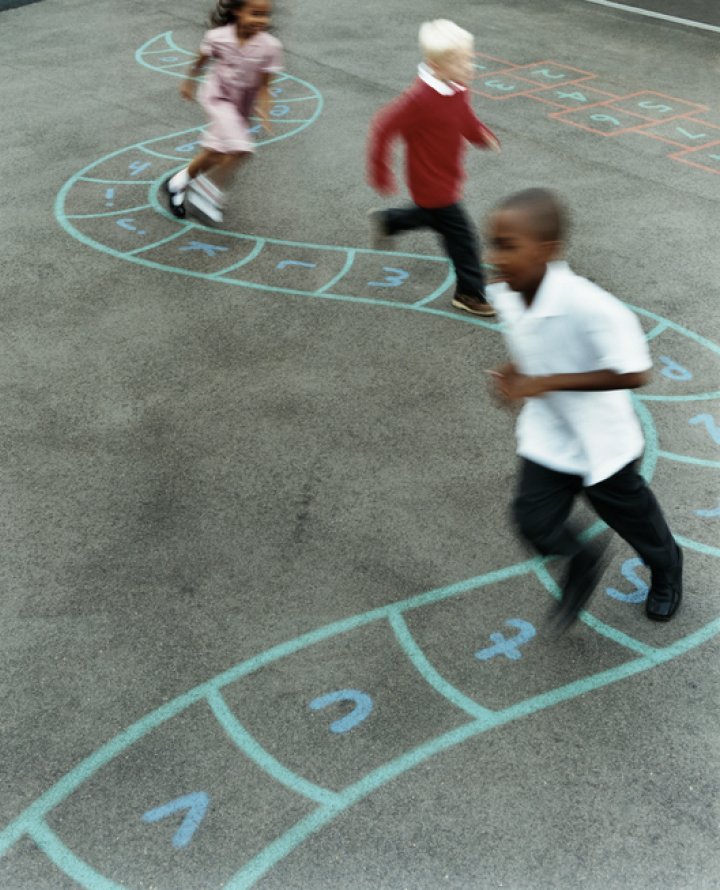
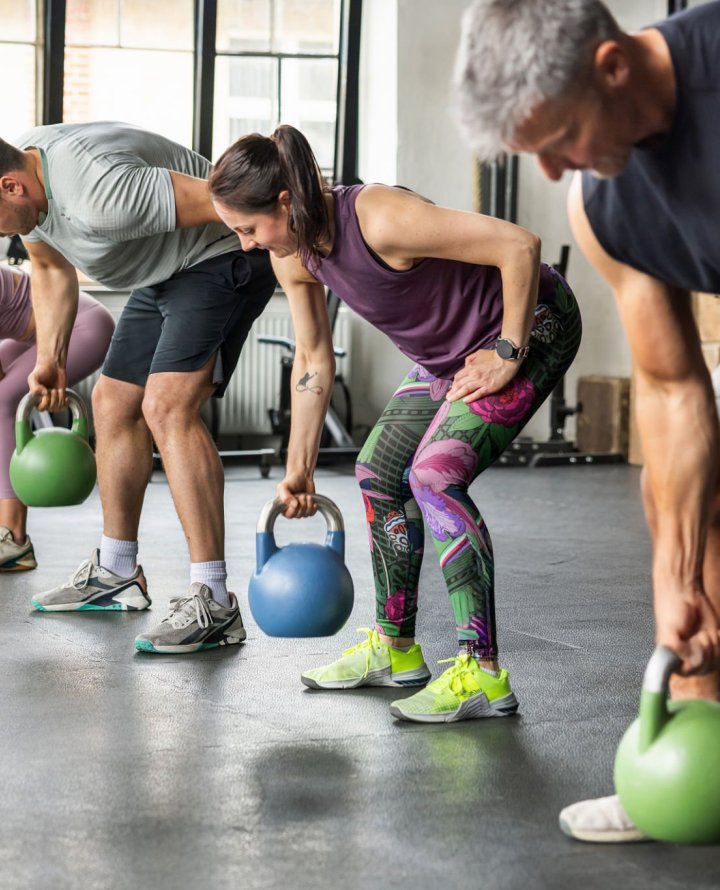
For several years, more and more research has been done on sports and exercise and their relationship with nutrition and health. Some things are therefore already known about the effect of exercise and nutrition on health; for example, the positive effect of exercise on bone density, diabetes and breast cancer has been demonstrated. Exercise is healthy, that much seems clear. Yet various studies show that almost half of the Dutch do not exercise enough. The Netherlands is no exception compared to other Western countries. This raises the question of how we can stimulate exercise behaviour and what the effects will be on health and in the social and economic domain. For elite and recreational sports, more knowledge on the occurrence and prevention of injuries and overuse is important, among other things. In addition, many positive effects are still attributed to sport and exercise without ever having been researched.
Connecting character
More knowledge and insight into this question and an adequate translation into interventions and technologies offer economic and social opportunities, for example in the promotion of a vital working population and social integration: greater social participation, also by socially disadvantaged people. Fundamental research into, among other things, mechanisms and determinants underlying exercise behaviour and the relationship between nutrition and health, as well as the development of behavioural theories to promote exercise behaviour and healthy living in general, can generate answers. For the design questions, the challenge lies in experimenting with methods and tools to encourage people to adopt healthy exercise and nutrition behaviour.