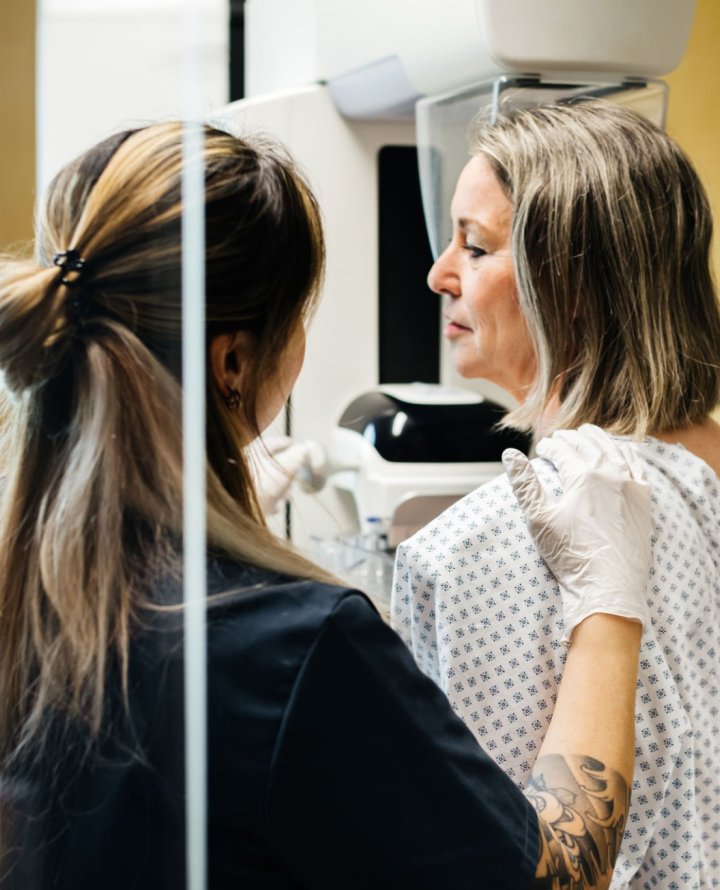
The use of big data in the medical sector has gained momentum. This is partly due to the digitisation of medical data, but also to rapid technological developments in smartphones and all kinds of sensors and medical devices that can measure health status, behaviour and environmental factors of individuals. This makes it increasingly possible to tailor health advice, medication and care to a person's individual needs, which we call personalised medicine and e-health. The healthcare sector will increasingly become an information sector, especially now that collecting, storing and processing data is becoming cheaper and cheaper and the information can be easily shared between GPs, hospitals, home care organisations, informal carers and, last but not least, the patients themselves. The big data revolution also offers the opportunity to accelerate medical research by combining information from all possible data sets. A key challenge is to make this data in care and research FAIR, i.e. Findable, Accessible, Interoperable and Reusable. This requires aspects such as standardisation, ease of use, sustainable storage, property rights and privacy to be well regulated across the health sector. With these developments, it is necessary to develop new concepts, methods and software to properly analyse and interpret the multitude of health data and knowledge, and translate them into personal health advice.
Connecting character
Besides continuing to stimulate fundamental and applied ICT research, it is important that the infrastructure within the Netherlands is further strengthened and that relevant and cost-effective e-health applications are actually implemented in the clinical setting and daily home environment by healthcare providers. This requires not only practical, up-to-date (continuing) education programmes, but also good collaborations between ICT specialists and medical specialists. Moreover, privacy and accountability concerns raised by the widespread availability of medical and thus highly personal data should also be addressed. Also, close cooperation between data-generating systems such as medical devices, sensors, and robotics and data processors will lead to a more efficient use of resources. The Netherlands is certainly a forerunner in terms of available ICT infrastructure, making data FAIR and developing digital imaging equipment. This position can be further expanded in a European/international context.