Our brain, and in a broader sense our nervous system, remains a mysterious organ to this day. Questions such as: when did humans become creatures conscious of themselves; does a collective brain exist? are illustrative of this. These questions are not only relevant to satisfy our curiosity. They are also important to consider how best to develop a person's talent, or to what extent the functioning of the nervous system leads to problematic behaviour or developmental problems. More knowledge of the nervous system is also very much needed when considering diseases involving degeneration of the nervous system. Partly because we are getting older, the number of people with dementia is increasing. The onset and course of this disease raise big questions, as well as how to increase the quality of life of someone with dementia. Other less prevalent diseases such as Parkinson's, ALS and MS raise the same issues.
Connecting character
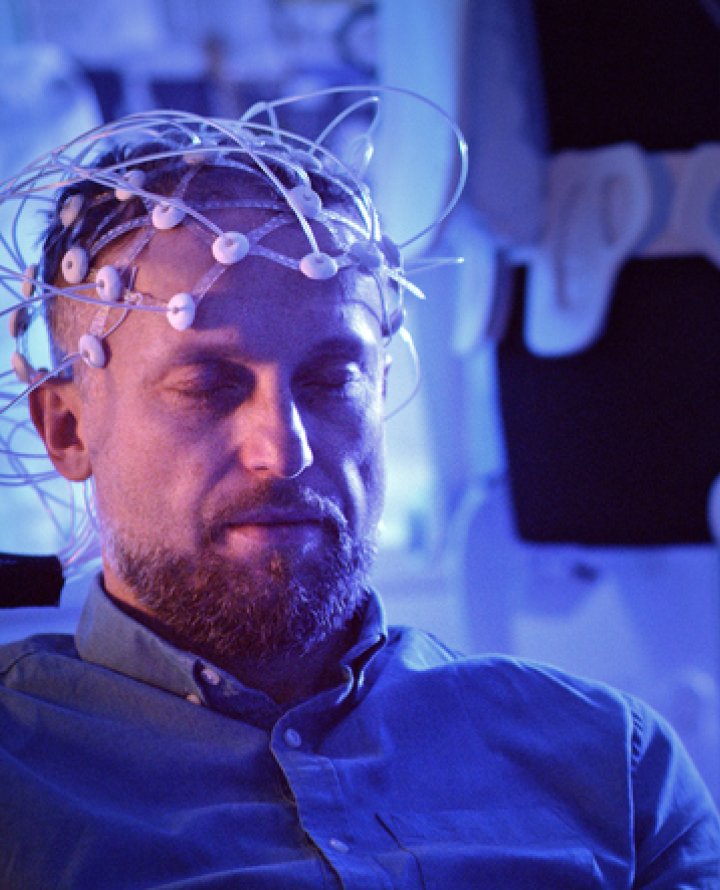
Research focuses on the relationships between the nervous system and how we think and act, and on influencing this relationship. Moreover, with the many developments in technology, a new field of research has emerged in which activities of the nervous system and the mechanisms underlying them are literally depicted. When expertise in the various subfields, including neurobiology, psychology and education science as well as ethics, are brought together, it can lead to great progress. Issues focused on degeneration of the nervous system and associated diseases require, among other things, fundamental research into neurological processes. The focus is also on applied research aimed at both the experiences and possibilities of people suffering from such degenerative diseases and how the environment can best deal with this. Preeminently, this is multidisciplinary research, ranging from research into meaning to building a living environment in which people maintain their independence for as long as possible. The Netherlands has strong partnerships in the field of dementia and Parkinson's disease in which government, industry, science, patient organisations, care providers and insurers jointly ensure the development and application of new knowledge.