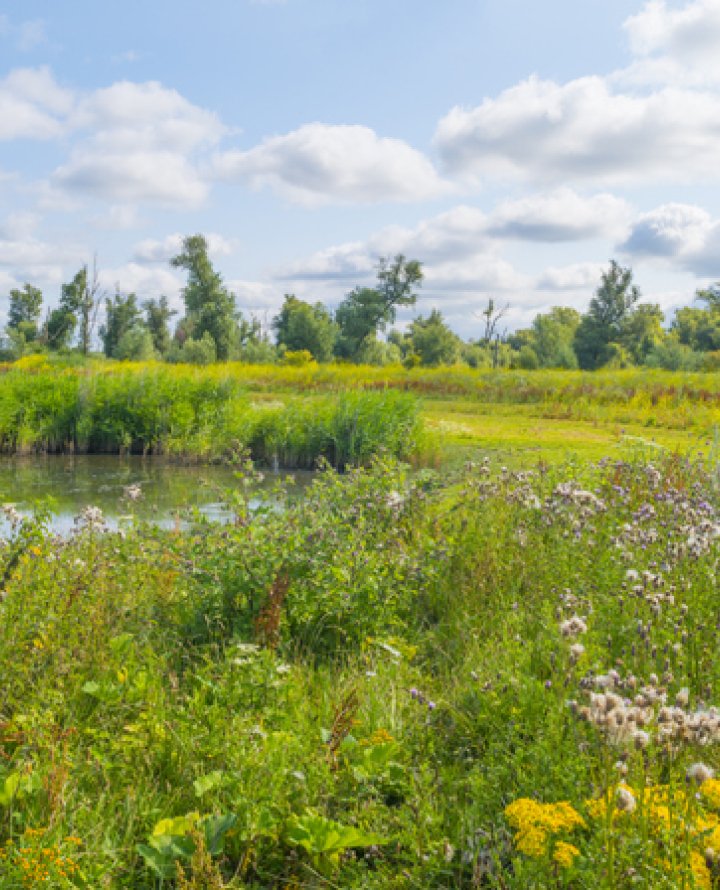
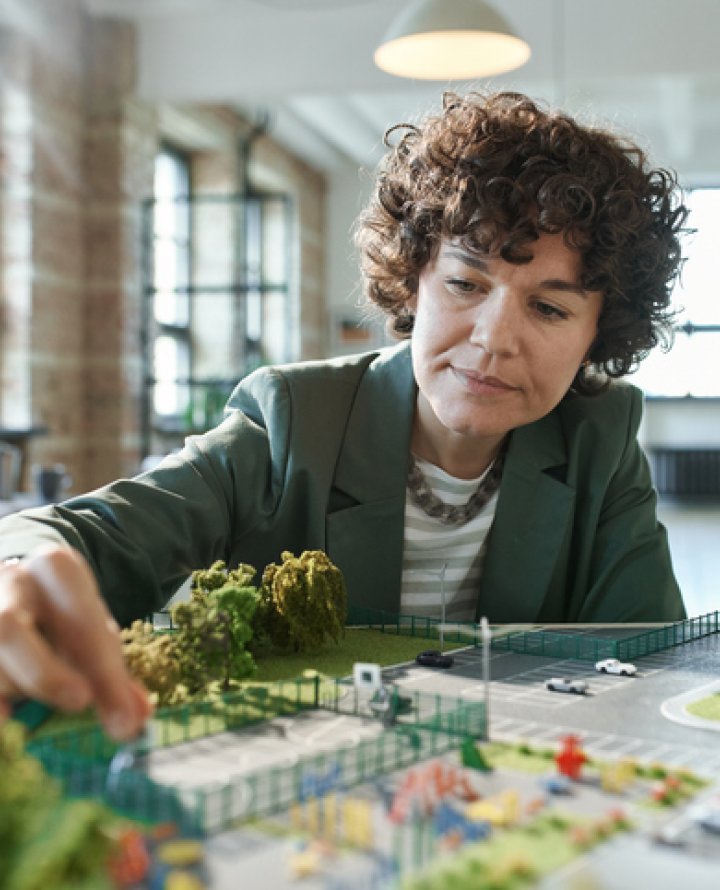
Within a few decades, seventy per cent of the world's population will live in cities. As a result, issues around quality of life in cities will become increasingly pressing. These include knowledge about effects of chemicals and technology on health, such as emitted gases, radiation, electromagnetic fields, ultrafine dust and lighting. But it is also about the contribution of greenery to a healthy living, working and living environment. When designing buildings, the focus is shifting from technology to people. The world is digitising, and people are individualising and getting older than before. The built environment should serve not only practical and aesthetic, but also ecological and societal purposes: buildings should be safe for people to be in and aimed at allowing the elderly to live at home for as long as possible. In this urbanised environment, it will become increasingly important to be able to design buildings and living environments that contribute positively to people's health.
Connecting character
The design of the living environment affects health in general, and more specifically working conditions and productivity. Research in this domain concerns not only effects of and solutions to exposure to environmental and other environmental factors, but also the promotion of a healthy lifestyle and social well-being. Some determinants ̶ such as particulate matter ̶ are known to influence public health, but not all effects of individual determinants on health are known. In addition, it is important not only to consider individual effects; additional methods are needed to estimate the risks to humans of the combination of health determinants. This area of science requires collaboration between social, environmental and technical scientists. Besides fundamental research into the relationship between the living environment and health, application-oriented research is needed in which science-based concepts are converted into innovations for the design, construction and layout of buildings and public spaces. Research into the living environment is of great social and economic importance. Problems in big cities are global, and knowledge in this field can form the basis for new export products.