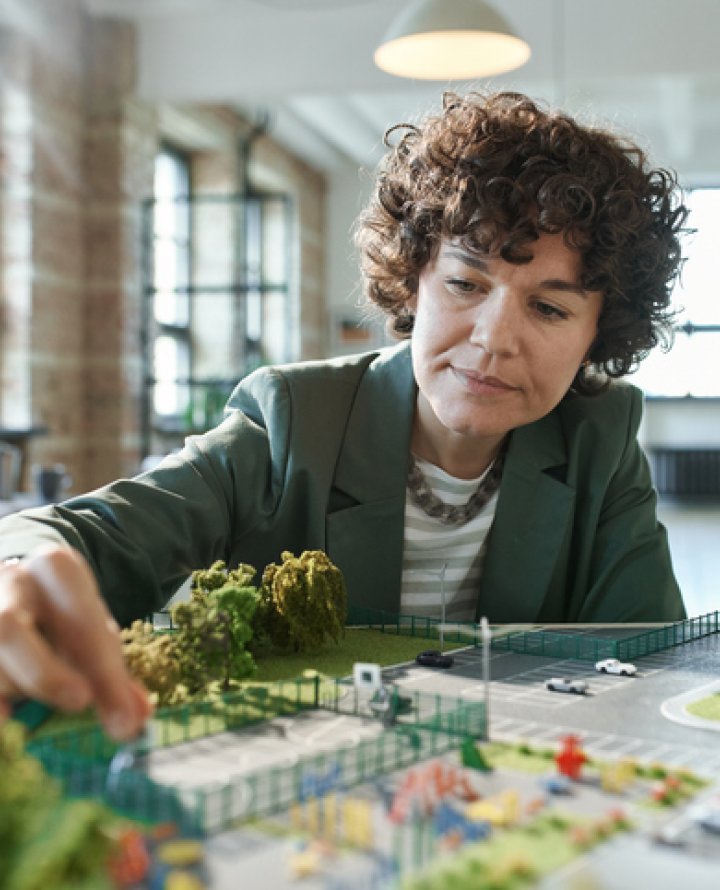
Creativity is the engine of society: no innovation without imagination. The Netherlands has a world reputation when it comes to concept development and groundbreaking design. Dutch Design is an illustrative example of this. The Netherlands has a rich tradition in creative design in the fields of urban planning, architecture, landscape architecture and arts and crafts. Artists, architects and designers contribute in a unique way to identifying and solving social issues. By adding imagination, they know how to make the technology-dominated environment livable. Obviously, creativity also plays a major role outside the creative sector: in the post-industrial economy and society, in which information and its processing play a leading role, entrepreneurs, employees and citizens are expected to fulfil their roles and tasks creatively. The Netherlands also has an increasing number of innovative start-ups contributing to social innovation. Many questions address how policies can foster a creative and innovative environment in the Netherlands. But while the importance of creativity is widely recognised and professed, its nature is still poorly understood. It is therefore difficult to purposefully promote and deploy creativity. Moreover, knowledge about creativity is produced by a range of scientific fields, from neurobiology to art history, which often have no or limited knowledge of each other's results. Many submitters submitted questions on how we can understand and then stimulate and harness people's creative and innovative abilities, and how creativity and innovation can play a role in solving major societal problems.
Connecting character
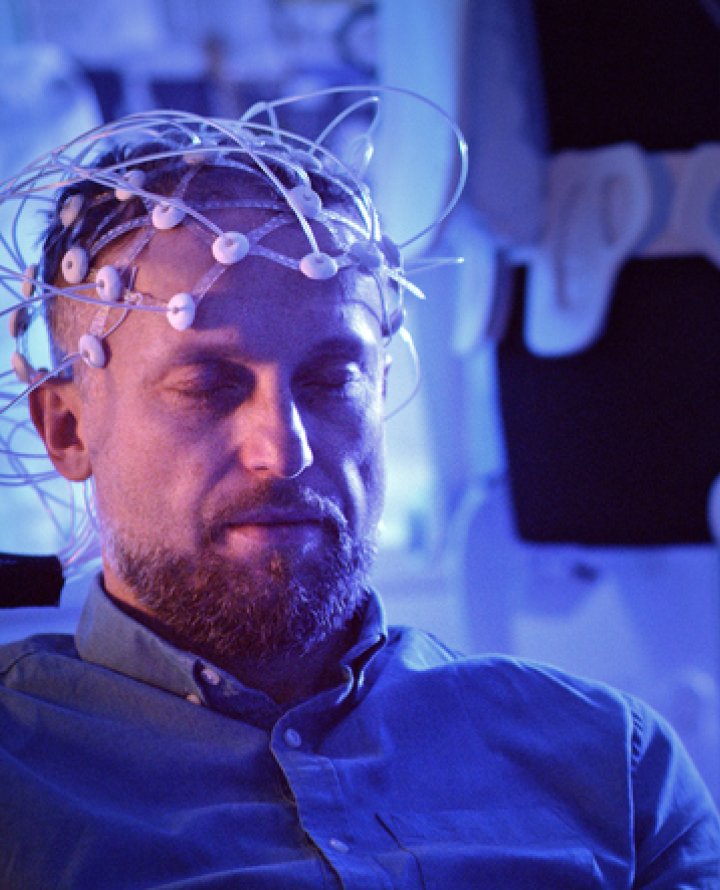
In innovative and creative processes, new and surprising connections are always being made. Researching this topic will therefore also require creativity and innovation. The central question is how to use creativity and innovation as much and as well as possible to achieve social and economic added value. The question has implications for various policy areas, from economic policy on new businesses, to cultural policy on our cultural sector, to education policy on how and if so whether creativity can be taught. Fundamental questions focus on the operation of the creative process in the brain or of creative collaboration, or the operation of innovation for an individual, a group or a society. The research links different disciplines such as neuroscience, psychology, education science, economics and philosophy.