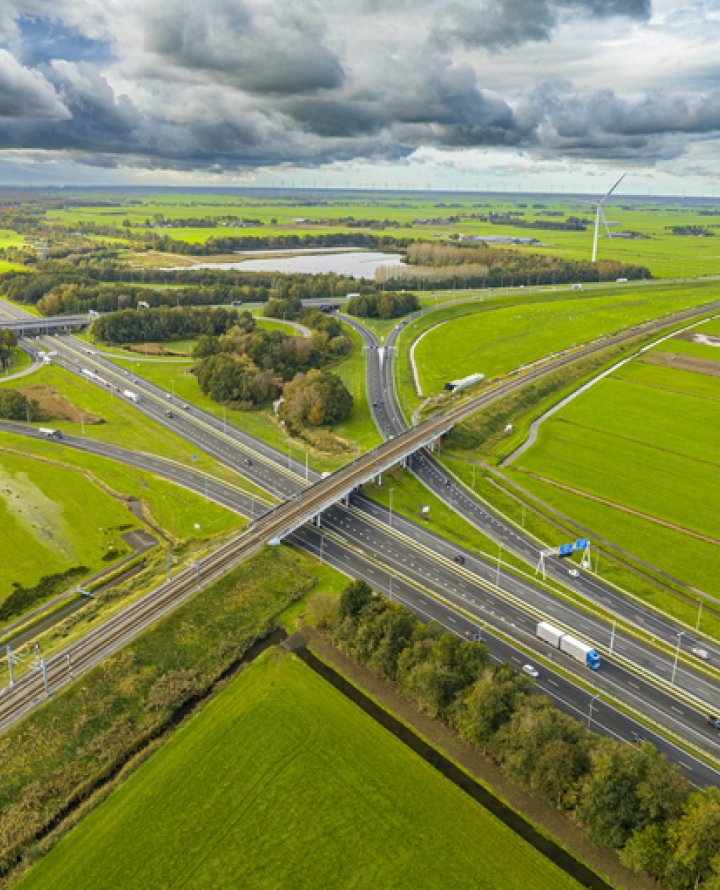
Freight transportation is a major cause of CO2 emissions and congestion globally. Despite several attempts to create modal shift to rail and waterborne transport, we still experience a predominantly truck-based system that does not exploit the well-connected networks and the deployed capacity. A solution is transitioning toward digital booking platforms. In other industries, e.g., airline and hospitality, booking platforms have favoured synchronization between supply and demand by increasing the visibility of the offer and providing a user-centred perspective. Likewise, in freight transport, online platforms can favour the synchronization between shippers and transport providers by offering seamless matching, execution, monitoring, and payment of transportation services. However, the complexity stems from the high heterogeneity of the industry (e.g., transport modes, cargo features), conservative business models, and rigid mindsets that limit the opportunities for interconnected networks and visibility of transport options.
The goal of the FMaaS project is to conceive a platform of platforms for multimodal transport services. A scientific approach is required to understand how the stakeholders can embrace this new concept, and what features make a matching platform appealing, trustworthy and secure. This will create several breakthroughs in social sciences when trying to picture the transport sector from an interdisciplinary perspective. In particular, behavioural and business models and legal frameworks will create new knowledge for understanding adoption mechanisms, policies, and success factors. In turn, operational methods, AI, and data science are used to develop the technical layer based on the new paradigm of ’matching’.
We will address Questions 27 and 106, elaborated as the following research questions:
What are the organizational, legal, and market requirements for user-centric marketplaces to be successful, and why do initiatives in the logistics industry have the tendency to fail? How can platforms be designed to manage the variety of needs, market complexities, and operations?