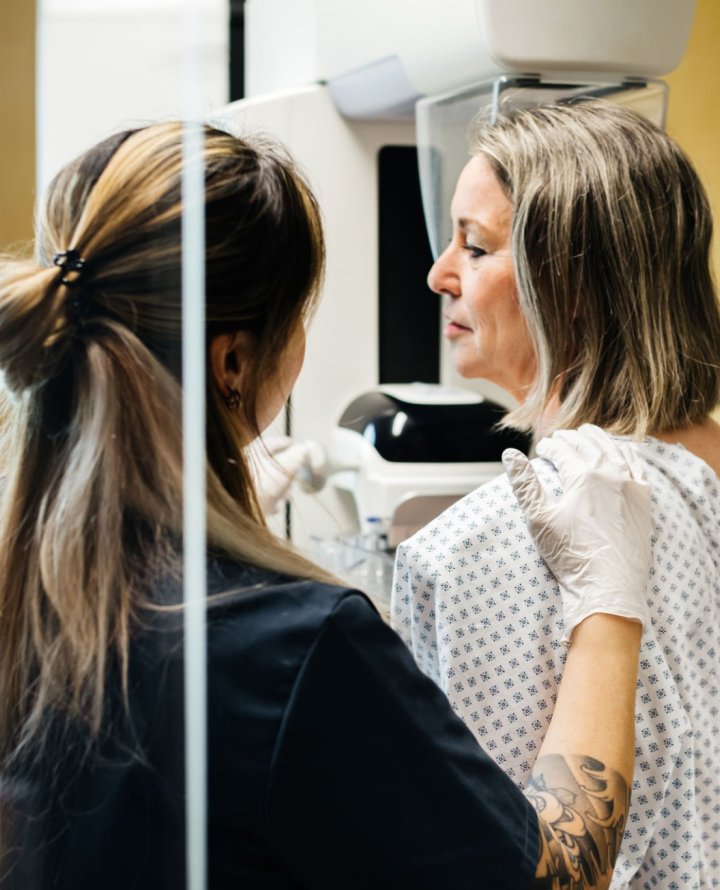
Pregnancy, giving birth to a child and menopause are very profound events in a woman's life. For both mother and child, the birth itself is one of the riskiest moments in their lives. There can be, if it goes wrong, a lasting effect on the mental and physical well-being and health of mother and child for the rest of their lives. Basic research questions address the complex physical processes involved in conception, the disposition and development of the foetus in close interaction with the maternal body until birth, the transition of the foetus to an autonomous individual and the physiological and psychological effects on the birthing woman. In addition, factors such as sexual orientation, partner choice, (in)fertility, nutrition and behaviour, medication use and safety risks related to environmental factors during pregnancy significantly influence the quality of the run-up to pregnancy, the pregnancy process itself and birth. Ethical dilemmas in diagnostic screening and unwanted pregnancy are also important facets of this question. For women who do not want to become pregnant, there is the contraceptive pill. For women suffering from menopause symptoms, there is no pill. Is there anything that can be done about menopause symptoms? Can better understanding of the underlying physiology at the molecular, cellular and organism level lead to a better course of these events in women's lives?
Connecting character
Healthcare in the Netherlands is of a high standard, which is due to the quality of our hospital care and the groundbreaking research in the university medical centres and the university research groups collaborating with them. We are therefore in an excellent position to make important contributions to finding solutions to various questions in this particularly important area of society in the next decade. New intervention possibilities, based on insights into underlying processes, yield gains in quality of life and thus contribute to a healthy and stable society. The advent of new diagnostic and technological possibilities leads to numerous ethical questions, for example about deciding when treatment is still in the patient's interest. In the field of prevention, information, advice and targeted counselling are important support activities. These can prevent physical and social suffering and related healthcare costs. This also provides substantial benefits for the Dutch economy, for instance in terms of reduced absenteeism due to illness.