Safely extending the lifetime of existing buildings and infrastructure is of great social and economic importance. There is also an increasing demand for new buildings that are highly sustainable, using reusable materials with the desired functionality. In addition, there is a need for buildings in which users feel comfortable and stay healthy. Designing these kinds of buildings of the future requires an integrated approach that serves a great social purpose.
Currently, economic and other barriers stand in the way of this development. For example, using new, sustainable and smart materials is still more expensive than conventional materials. In addition, not only material and energy use, but also construction methods will have to change to achieve truly sustainable construction. These innovations also require different construction processes and a change in mentality of all parties involved.
Connecting character
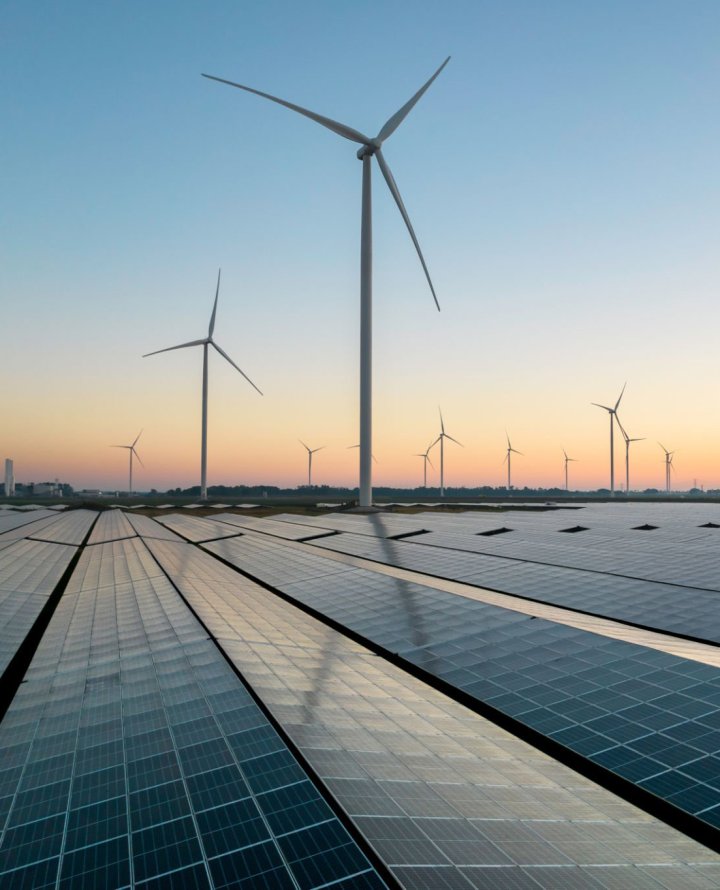
Adaptive building requires new technologies and processes to make buildings more sustainable, safer, cheaper, healthier, stronger and smarter. Scientific research is initially about these technologies and processes: for example, about new ways of harnessing solar energy via solar cells in roof tiles or in paint, and about building with 3D-printed components. In the second instance, the interaction between these means and the different goals is also important. This leads to an approach to design and building that is itself the subject of scientific and applied research. Besides these strongly building-oriented dimensions, the role and influence of the user of the structures on the building and the building process should also be given an important position in the research. This is reflected in questions such as: can a building make an occupant healthy? The social challenge is to achieve a liveable built environment, not only by constantly building new structures in it, but also by transforming existing buildings. This fits well with the current discussions on vacant office buildings and retail premises, but also touches on the need to build more sustainably in the longer term. Moreover, the knowledge developed in the Netherlands to tackle this problem in an integrated way is an attractive export product for all metropolitan areas in the world.