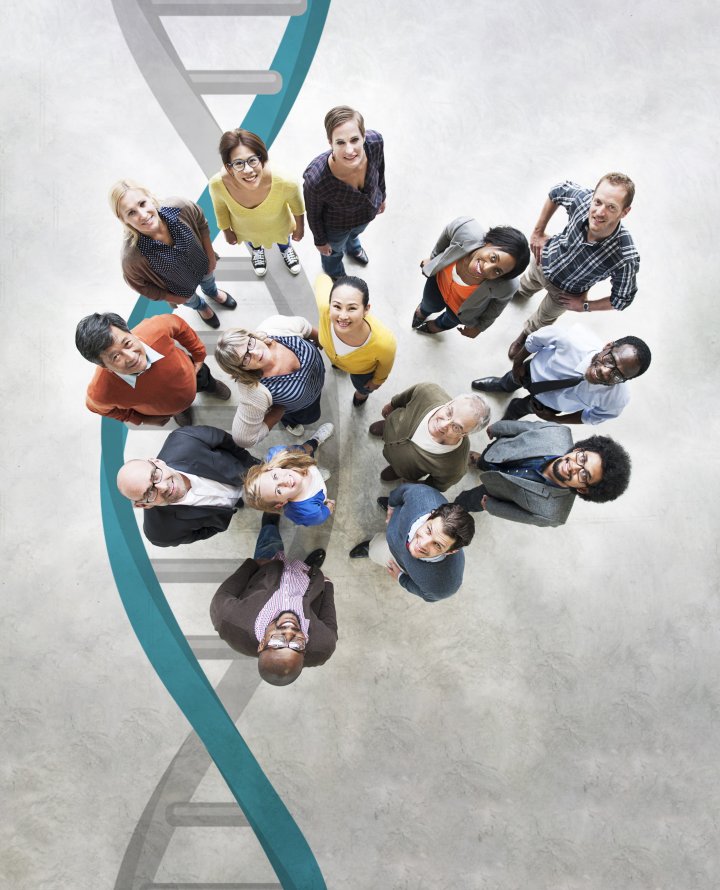
Drug development is complex, labour-intensive and takes 10 to 15 years on average. Development costs can amount to over a billion euros. Due to the duration of patents, data protection and market exclusivity, these costs need to be recovered within about 10 years. This mechanism often makes drugs expensive, especially if the number of patients is limited. In the coming years, several breakthroughs in biomedical research will have a strong positive impact on drug development, such as: Next generation DNA sequencing that allows more information about patients to be collected more quickly;
Developments in advanced therapies, such as gene and immunotherapy, stem cells and organoids;
More knowledge on biomarkers, allowing earlier detection and more precise monitoring of disease processes;
Advances in ICT, making learning from and in practice faster and better. An important challenge for the coming years is to ensure rapid access for patients to innovative therapies at socially acceptable costs. Examples include new earning models, more effective production methods and forms of administration, as well as speeding up the development and admission process, closer cooperation between public and private parties, or other innovative solutions.
Connecting character
Dutch universities, knowledge institutions and MUMCs cover the entire chain, are excellently represented in European research programmes and benefit from each other's geographical proximity. On the private side, the number of successful innovative Dutch biotech companies has increased significantly in recent years. This trend can be continued and strengthened if biomedical research is further bundled in an (inter)national setting with private parties, including innovative (bio)tech companies, health insurers, health funds and non-profit organisations. Besides continuing to stimulate fundamental and applied ICT research, it is important that the infrastructure within the Netherlands is further strengthened, and that relevant and cost-effective e-health applications are actually implemented. This requires not only practical, up-to-date training programmes, but also good cooperation between ICT specialists and medical specialists. Moreover, careful attention should be paid to the privacy and accountability concerns raised by the wide availability of medical and thus highly personal data. Also, close cooperation between data-generating systems such as medical devices, sensors, robotics and data processors will lead to a more efficient use of resources.