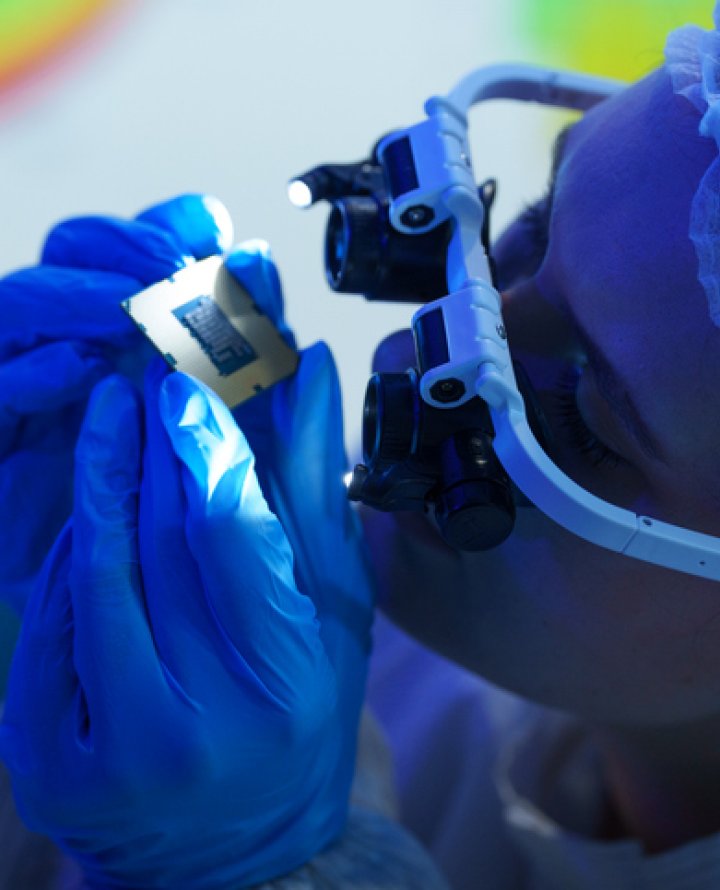
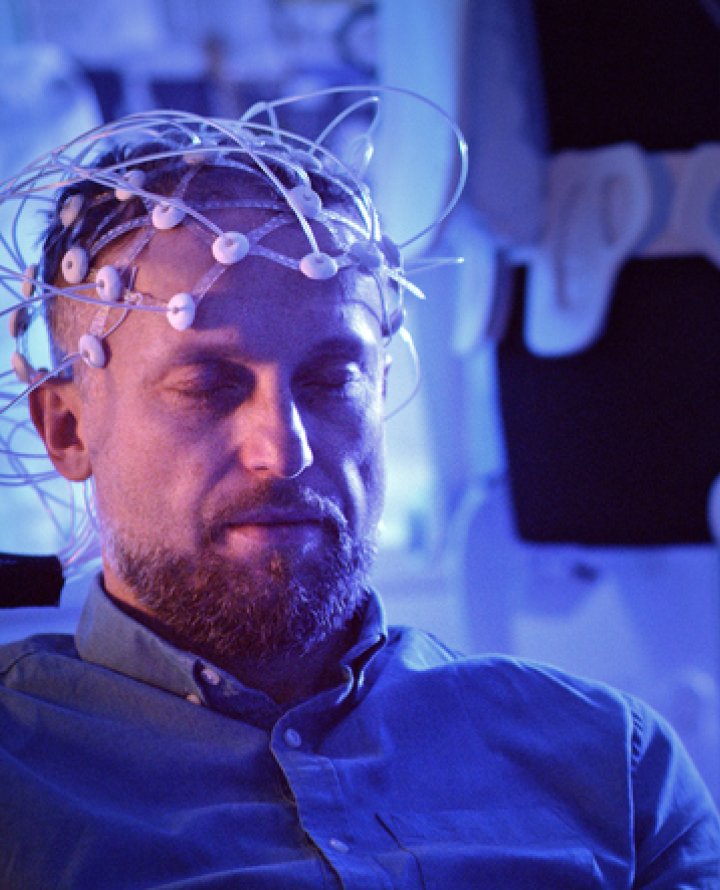
The development of technology that can communicate directly with the human body could lead to entirely new ways to boost health and fight disease. For example, implantable and wearable devices could be used to restore physical and cognitive functions or to detect and treat diseases. In addition, questions can be formulated regarding bioelectronics and value-added materials or systems. Think of technologies that are extensions of human functions. Or to systems that translate biological functions of humans and animals into hardware and software for specific purposes, such as odour or freshness indicators. Or to inventions that provide tools for steering within social networks. In the design of these materials and systems, of course, in all cases humans should be central in optimising the intended functions. Further development of such technology requires a deep understanding of how bioelectronic and nanotechnology components interact with human cells, tissues and organs. There is also an interface with the field of human-computer interaction, which in turn partly fits into the research area of artificial intelligence and that of data science. The proposed topics and approaches also involve elements that are more philosophical in nature.
Connecting character
The Netherlands has a strong network around nanotechnology with an academic and industrial base. This network is considered ideally suited to tackle the interdisciplinary and biotechnological challenges involved. Through this ecosystem, the link between fundamental questions and more applied questions on the way to eventual technical applications is guaranteed. Research within the medical sector guides the technology to be developed. Knowledge developments within biology, sensory and movement physiology and sociology, in particular, will also further stimulate the development of tools for the expansion or enhancement of bodily functions and interactions, for example in the field of non-invasive (self)-monitoring devices. In the medical sphere, there is intensive spin-off to companies. Research results give rise to many start-up activities. The products resulting from these activities have a direct significance for society.