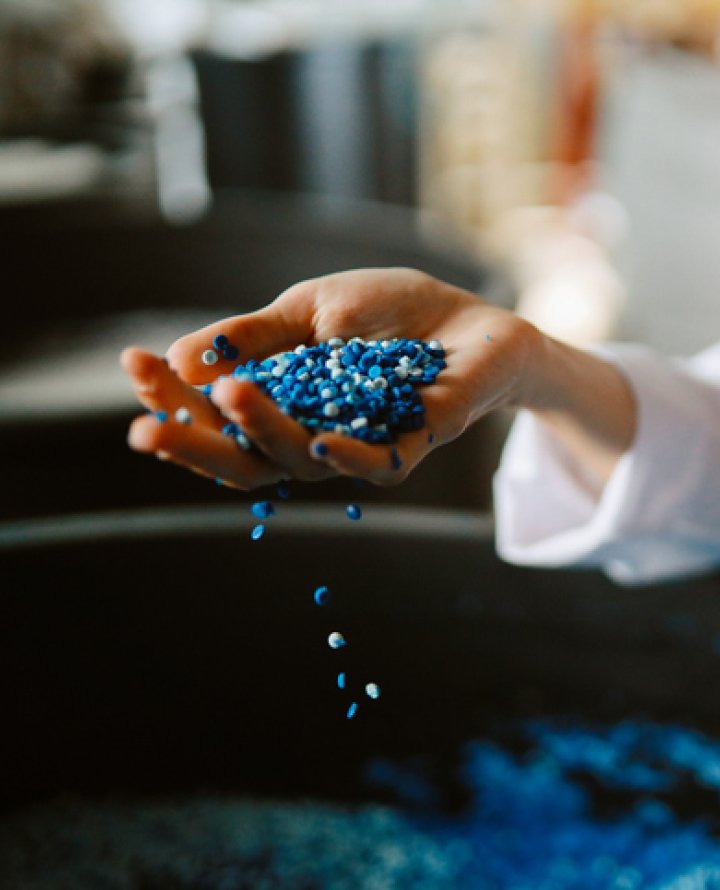
Polymer pollution from rheology modifiers in personal care products is a critical environmental issue, contributing an estimated 10,000 to 20,000 tonnes of waste annually, with global polymer pollution in surface waters reaching up to 300,000 tonnes. Acrylate copolymers, such as Carbomer and Acrylates/C10-30, are essential for enhancing product texture, consistency, and stability, but their non-degradable nature leads to significant micro and nanoplastic pollution in aquatic ecosystems, threatening marine life and the broader environment. This project aims to develop biodegradable acrylic acid and acrylate-based rheology modifiers that retain their functional properties while significantly reducing environmental impact. Biodegradability has been introduced into acrylate polymers through radical ring-opening polymerization (rROP) of 2-methylene-1,3-dioxepane (MDO) with tert-butyl acrylate, creating poly(acrylic acid) with degradable ester bonds. However, existing solvent-based methods are neither sustainable nor scalable. Hence, we will focus on the sustainability of the CKA-based approach by advancing emulsion polymerization of cyclic ketene acetal (CKA) monomers with acrylic acid directly in water, addressing challenges like acid sensitivity and hydrolysis. By refining pH, temperature, and mixing conditions, and using innovative surfactants and stabilizers, we aim to produce scalable, biodegradable acrylate polymers that degrade naturally, minimizing pollution and supporting global environmental protection efforts.