NWA
De Nationale Wetenschapsagenda

METAHEALTH: Health in a microbial, sociocultural and care context in the first 1000 days of life

Modern society is highly segregated, and inequalities in health among different groups of individuals keep increasing. Unfortunately, two frequently co-occurring diseases – obesity and dental caries – are common in young children living in vulnerable circumstances. One of the major health determinants that evolve during the first 1000 days of life is one’s microbiome. It is complex and personal, and is shaped from birth, by an interplay of factors, including genetic background, immune system, culture, economics, behavior and environment. It is not known how these factors jointly affect oral and metabolic health outcomes and inequalities.

We aim: 1) to understand the interplay between the microbiome, lifestyle, culture and environment and their role on health; 2) to provide fundamental knowledge on the establishment of a healthy microbiome and on processes that enhance or diminish a beneficial host-microbiome symbiosis; 3) to enhance the inclusivity of less-privileged families in health-outcomes-centered research; 4) to co-create together with the families from low socioeconomic position (SEP) the acceptable interventions for maintenance of their metabolic and oral health; 5) to develop digital and non-digital communication pathways and services for the empowerment of stakeholders and their collaboration at various system levels.

We will perform this project with active participation of the individuals at the low(est) SEP, who will be involved in co-designing and co-creating the interventions for health-promoting lifestyle and will be included in ongoing cohorts in Sarphati Amsterdam (AIMS and Ethnographic cohort). We will create a unique holistic dataset on microbial, social and cultural context of the individual from pregnancy throughout the first 3 years of life. This ‘Big Data’ will be integrated into microbiome-host-environment in silico models for new hypothesis generation and prediction of the most effective interventions. The wet-lab experiments will lead to fundamental insights into microbiome-host interplay and its modulation.

Dossiernummer
NWA.1389.20.080
Projectleider
prof. dr. E. Zaura
Hoofdorganisatie
VU/UvA – ACTA
Programma
Onderzoek op Routes door Consortia 2020/21
Financieringsinstrument
NWA L1
Status
Lopend
Thema
Ziekten en gezondheid
Consortium
Academisch Centrum Tandheelkunde Amsterdam, Universiteit van Amsterdam, Amsterdam UMC - Locatie AMC, Amsterdam UMC - Locatie VUmc, Wageningen University & Research, TNO, Universiteit Twente, Hogeschool van Amsterdam, Hogeschool InHolland, Vrije Universiteit Amsterdam, TNO, University of Porto (Portugal), GGD Amsterdam, Bètapartners, Nederlands Instituut voor Biologie (NIBI), PANEL, Jeugdtandverzorging (JTV) Amsterdam, NVvK, Onkolyze (Singapore & UK), Supabase (Singapore & US), Sarphati Amsterdam, Coop Nederland, Ivoren Kruis, Nederlands Jeugdinstituut (NJi), Nederlands Centrum Jeugdgezondheid (NCJ), PHAROS, Food4smiles, Eerstelijns Verloskundigen Amsterdam Amstelland (EVAA), Gezonde Generatie van Samenwerkende Gezondheidsfondsen (SGF), Academie Verloskunde Amsterdam Groningen, Voedingscentrum, Nederlandse Vereniging van Diëtisten (NVD), BaseClear, Smallsteps/Partou, I3S – Instituto de Investigação e Inovação em Saúde (Portugal)
Onderdeel van route

24 projecten
44 clustervragen
Afbeelding
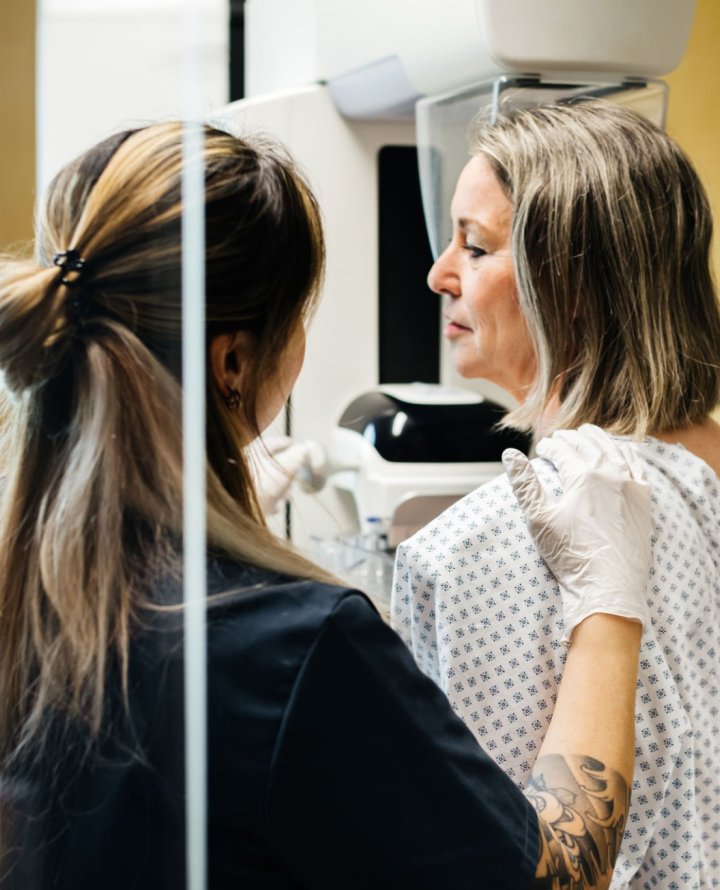
Patient die gescand wordt

Wij beantwoorden deze vragen

Welke vragen hopen we met dit project te beantwoorden? Deze vragen zijn gegroepeerd in de volgende clustervragen.