Antisocial behavioral problems in youth, such as delinquency, have a major societal impact, as most criminal violent behavior is committed by juveniles and young adults. Forensic treatment institutions aim to diagnose, predict, treat and reduce the risk of reoffending of delinquent youth. However, not all youth in juvenile forensic psychiatry benefit sufficiently from current intervention programs. Criminal recidivism rates and long-term mental health problems remain substantial. Treatment and risk assessment are insufficiently tailored to the specific individual developmental problems and dysfunctions.
The leading biopsychosocial model aims to explain the development and persistence of antisocial and delinquent behavior from an interaction between psychological, environmental, neurocognitive and neurobiological factors. Neurobiological and neurocognitive development, specifically during adolescence, play a pivotal role in the development of severe and persistent delinquent behaviour. Therefore, neurobiology and neurocognition could offer a promising novel approach to complement assessment and treatment in forensic clinical practice. However, fundamental knowledge on individual biopsychosocial developmental profiles, how forensic treatment affects neurobiological development, and how changes in neurobiology relate to treatment outcome, is currently lacking.
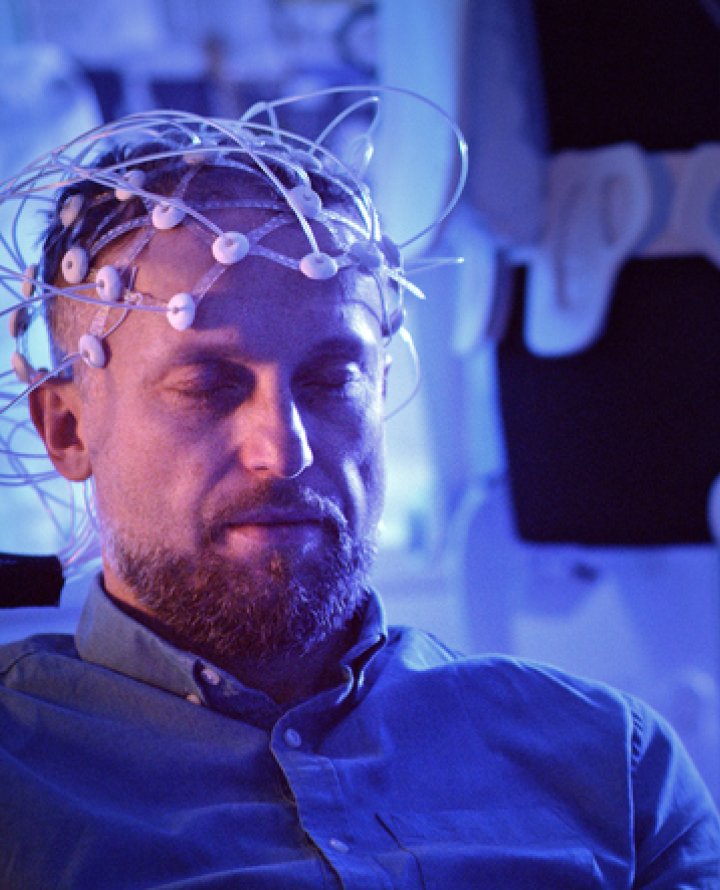
In the SCIN project, we will integerate neurophysiological, neuroendocrinological, and neurocognitive measures with standard psychosocial measures during screening and assessment in clinical practice of forensic youth institutions and for adolescent criminal law. Measures will be adapted for practical clinical use in collaboration with clinical forensic practice and delinquent youth themselves. The resulting data on neurobiological changes during interventions will form the basis for the development of a comprehensive biopsychosocial model for predicting treatment outcome. Based on the new model, a clinical decision tool will be developed to better adjust interventions in juvenile forensic practice and adolescent law to individual needs and developmental perspectives. Eventually, this will have societal impact in that reoffending rates will decrease, while mental health and sociatal functioning of delinquent youth increases.