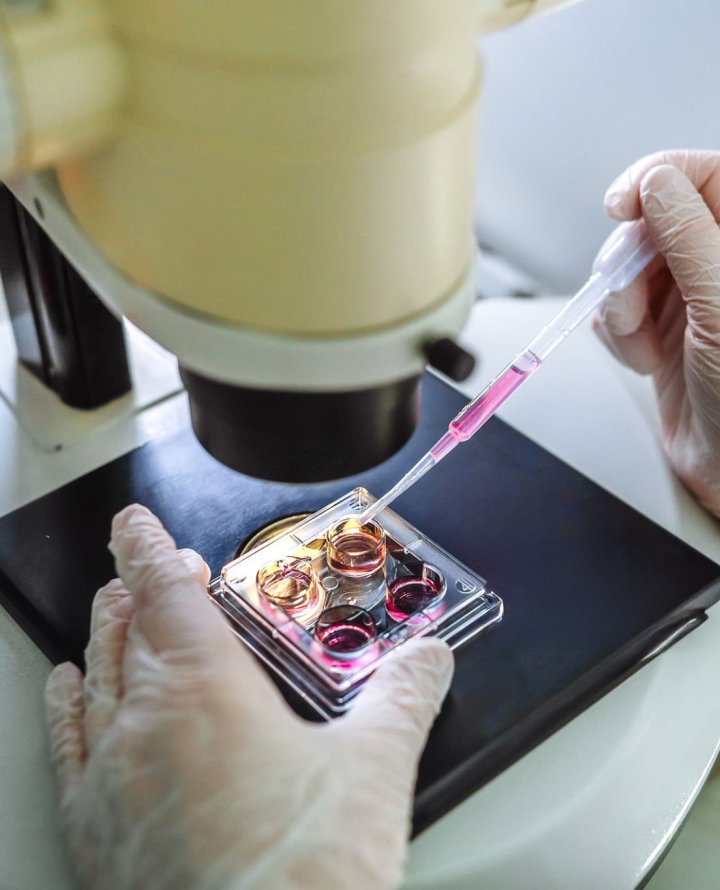
Technological advances in the field of regenerative medicine bring new treatment perspectives for patients and their caregivers. Stem cells that carry disease-causing mutations can now be corrected using gene therapy, indicating the use of autologous, genetically modified stem cells as a potentially curative treatment. While in principle a wide variety of diseases (blood, immune, metabolic, neurological) can be cured by blood stem cell-based gene therapy, a number of technological and societal challenges currently hinder widespread development and uptake in the Netherlands and beyond. From a technological perspective, current technologies are often targeted at individual rare indications with limited exchange of techniques, protocols and expertise between different diseases. Consequently, state-of-art treatment options vary widely resulting in different availability of genetic medicines to patients and asking for new wider-applicable technology to be developed. From a societal perspective, there are questions about the rate of translation due to the novelty of approaches and a mismatch with existing regulation, policy frameworks and healthcare delivery systems. There also is debate about the high prices of treatments and treatment burden. To mitigate these challenges, we propose to develop a platform technology to rapidly provide novel, life-long, curative therapies potentially for many different disease entities, starting with 7 different diseases as blueprints. The platform to be developed will be embedded in a societal knowledge hub that aims to establish a health economic, legal, psychological, and ethical framework as governance for acceptance and implementation of genetic medicines, but has an even broader applicability to all so-called ATMPs. To do so, the CURE4LIFE consortium brings together patient advocacy organizations, clinicians, and scholars of various backgrounds (legal, health economics, ethics, psychology, biomedicine), to establish a technological and societal knowledge hub that will contribute to successful implementation a flurry of new therapies expected to arrive during the next decade.