NWA
The Dutch Research Agenda

Becoming literate in a digital age: Adapting reading education in the Netherlands

Current reading education fails Dutch youth: many students struggle in their ability to read. Also, the gap in reading ability between privileged and less-privileged students (divided by socio-economic, ethnic and multilingual backgrounds) is widening. Yet, we still expect all of them to be able to process written language when they are adults. Understanding and reflecting upon information, upon the self and upon the culture in which one grows up is key for school and career success, health, and psychological well-being.

The development of digital media and the resulting changes in online reading behaviour of the youth are, without doubt, an important factor in the decline of reading abilities. The impact of digital media on reading education, however, has yet to be charted and incorporated in reading education. This project aims to fill this knowledge gap by answering the question: How can future education foster reading comprehension and reading behaviour among Dutch youth (age 4-18) in a digital age (cluster question 065)?

As the online reading habits of youth continue to change, we assert that reading education should be much more about actual reading behaviour than has traditionally been the case. To do so, this project unites the forces of an interdisciplinary team of researchers, teachers, students, school boards, policy makers, educational publishers, businesses, and libraries to 1) develop a multidisciplinary model and framework of (the teaching of) reading comprehension and reading behaviour in a digital age, 2) design, implement, and test effective educational interventions based on this model and framework; 3) integrate results into the model to build a comprehensive, evidence-based foundation for widespread educational improvement.

We work across primary to secondary schools, focusing on students who are most at risk for a reading delay. We implement our results in schools, methods, teacher-training and policy for lasting results.

File number
NWA.1518.22.046
Project lead
prof. dr. E. Stronks
Lead organisation
Universiteit Utrecht
Programme
Onderzoek op Routes door Consortia 2022
Funding instrument
NWA L1
Status
Lopend
Theme
Individual and society
Consortium
Universiteit Utrecht, Universiteit van Amsterdam, Vrije Universiteit Amsterdam, Universiteit Leiden, Universiteit Leiden, Universiteit Utrecht, Universiteit van Amsterdam, Hogeschool Utrecht, Universiteit Utrecht, Avans Hogeschool, Radboud Universiteit Nijmegen, Utrecht University, Hogeschool InHolland, Universitaire PABO van Amsterdam, Utrecht University, Leiden University, Utrecht University, Hogeschool van Amsterdam, Utrecht University, Utrecht University, Universiteit Leiden: Academische Pabo, Levende Talen Nederlands, Stichting Lezen, Levende Talen, Instituut voor de Nederlandse Taal (INT), Stichting VoorleesExpress, Lexima, Ministerie van Onderwijs, Cultuur en Wetenschap, Woordenaars.nl, Stichting Cito, Scholieren.com, School board Stichting Samen tussen Amstel en IJ (Staij), Expertis, Onderwijsadviseurs, CED groep, KB National Library of the Netherlands, ROC College Friese Poort, Uitgeverij Noordhoff, BasisBuren, Stichting Klasse, Pro Drachten, Stichting Culturele Apotheek, Tilburg University, Wolfert Tweetalig, Werkverband Amsterdamse Psycholinguisten (WAP), Oberon, Het Zuiderpark College, Oberon, Utrecht University, Educatieve uitgeverij Blink, Hogeschool van Rotterdam, OSG Singelland (VO), iPABO, Hogeschool KPZ, Open Universiteit, Fontys Hogeschool, Raadsadviseur van der Onderwijsraad, Expertisecentrum Nederlands, Expertisecentrum Nederlands, Immer, Taalunie
Part of routes

29 projecten
32 clustervragen
Afbeelding
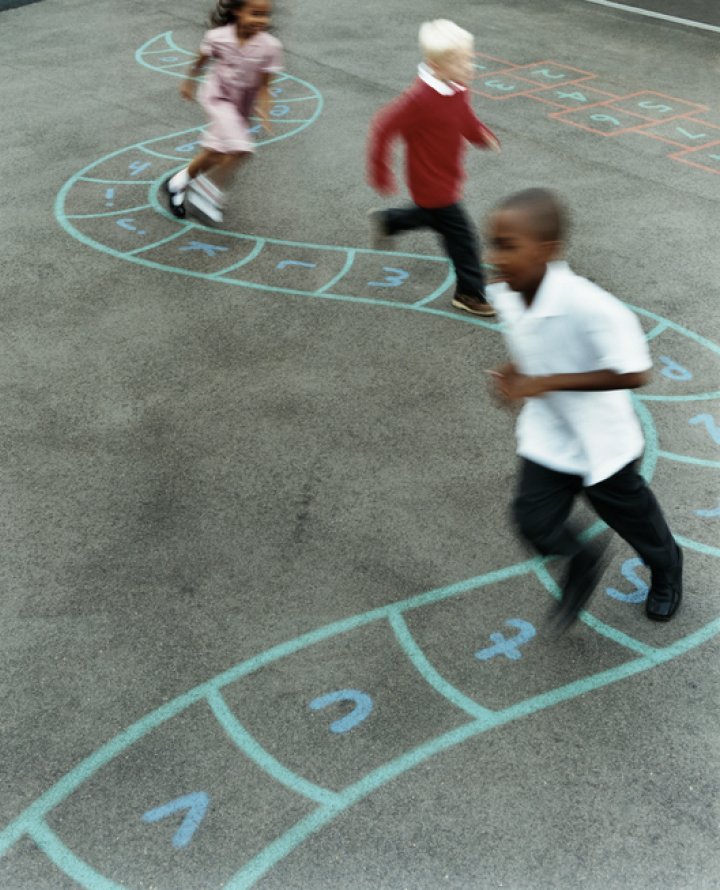
Kinderen aan het hinkelen

We cover these questions

Welke vragen hopen we met dit project te beantwoorden? Deze vragen zijn gegroepeerd in de volgende clustervragen.