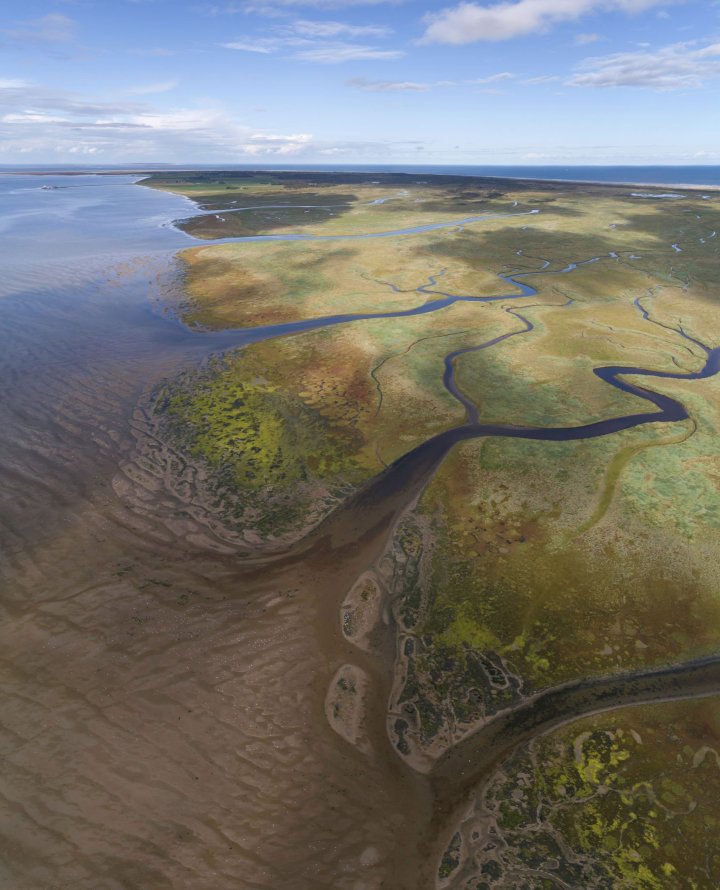
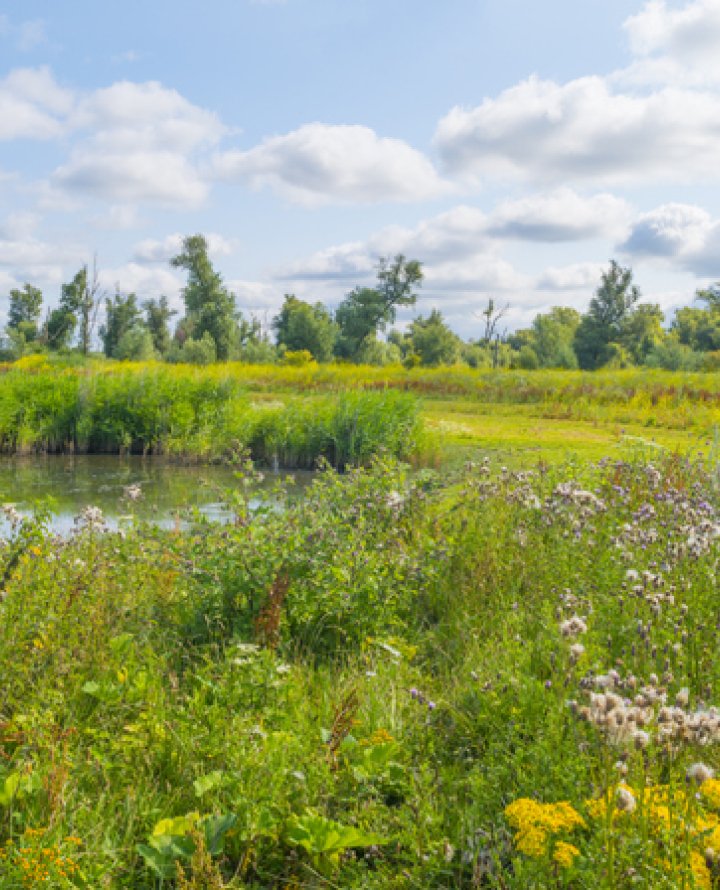
Large parts of the Netherlands exist because we reclaimed land from water. Curbing water lies at the heart of our society and is a key element in our national identity. But the question of how to deal with washing water is a global problem. Climate change, sea level rise and extreme meteorological phenomena will lead to the need to control, use or prevent flooding in many places. Understanding why and where floods occur forms the basis for this. Developing and implementing solutions that provide safety while optimally preserving sustainability and biodiversity is the challenge for the future. Social issues are just as important here as scientific and application-oriented problems. The Netherlands is among the world leaders in research into and implementation of water management. Our research infrastructure is unrivalled and the industry involved world-renowned. From that position, the Netherlands should take and maintain the initiative in this field.
Connecting character
Traditionally, the Netherlands has a unique, connecting, institutional structure in the field of water management. Around water management, a structure of cooperation between science, government and business has emerged that serves as an example for public-private cooperation. This structure also provides the Netherlands with the position to be an international leader. However, water management also raises questions about societal risk acceptance. In what way and under what conditions can we accept flood risks? Are we willing to give area back to nature and adapt our habitat to nature-friendly solutions?