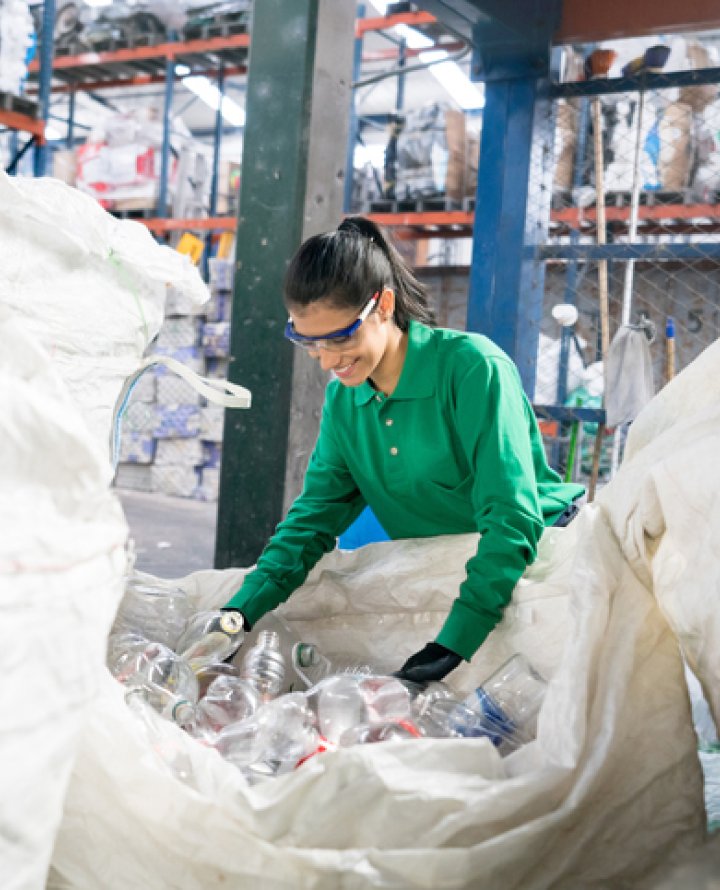
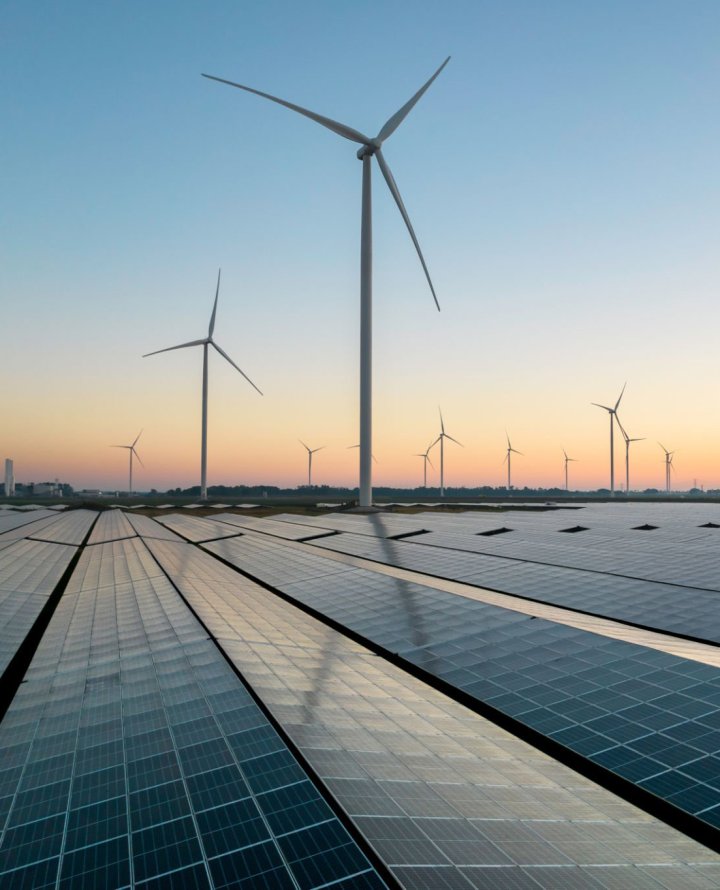
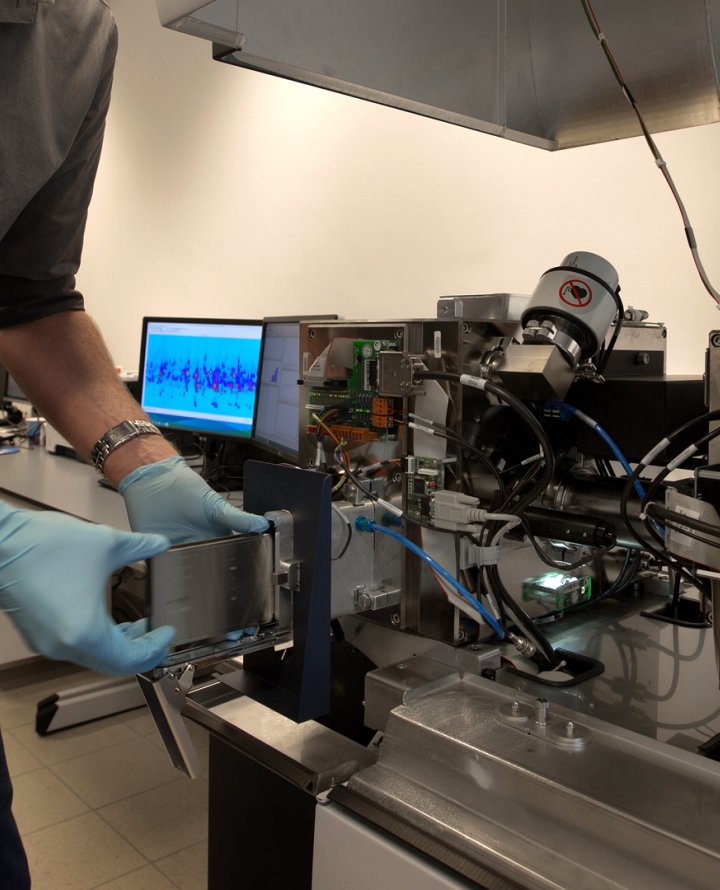
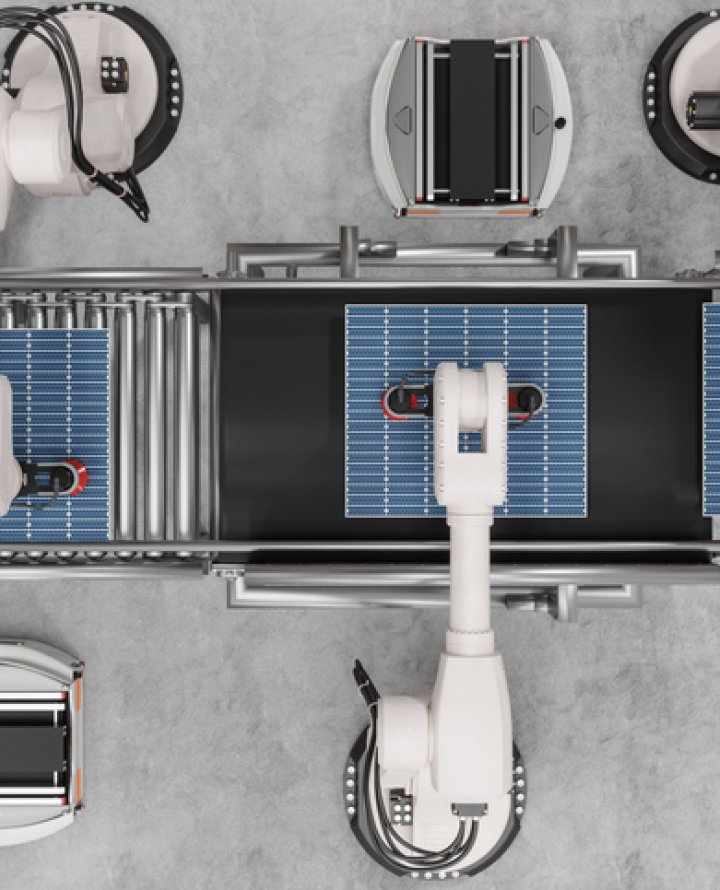
Sustainable ways to ensure our future prosperity are high on the agenda. In nature, waste does not exist: all substances are reused. Energy from sunlight is converted, providing energy that is used by nature to harness raw materials for growth and development. In this respect, the economy can learn a lot from ecology. Much groundbreaking research is needed in the next decade in order to transform linear society into a form where cycles are closed and waste materials are utilised: a circular economy. An important aspect of this task is the question of the optimal scale at which cycles should be closed. In this context, the focus on economic growth and measuring prosperity in terms of growth are also up for debate. Are there alternative ways to measure wealth and prosperity?Is it possible to develop models that do more justice to sustainability and social welfare?
Other challenges concern issues such as how to move towards a circular economy:
How should we organise the transition to fully sustainable energy?
How can we continue to feed a growing world population without doing violence to the earth?
How do we achieve a circular economy in which ecology and economy reinforce each other?
What are the implications of policy initiatives for innovation and competitiveness?
Connecting character
This question connects ecology with technical, economic and social science questions, both fundamental and applied. First, what economics can learn from ecology in terms of cycles is important. Technically, it is relevant which techniques contribute to a circular economy and sustainable society and how individual techniques can be combined into new systems. Economically, the question is in which economic systems a circular technology reaches maturity, in other words, what the model of the circular economy is. The question also establishes a link with social sciences, where it is necessary to investigate along which processes we can realise a circular economy and what the role of governments, companies, society and citizens is in this process.