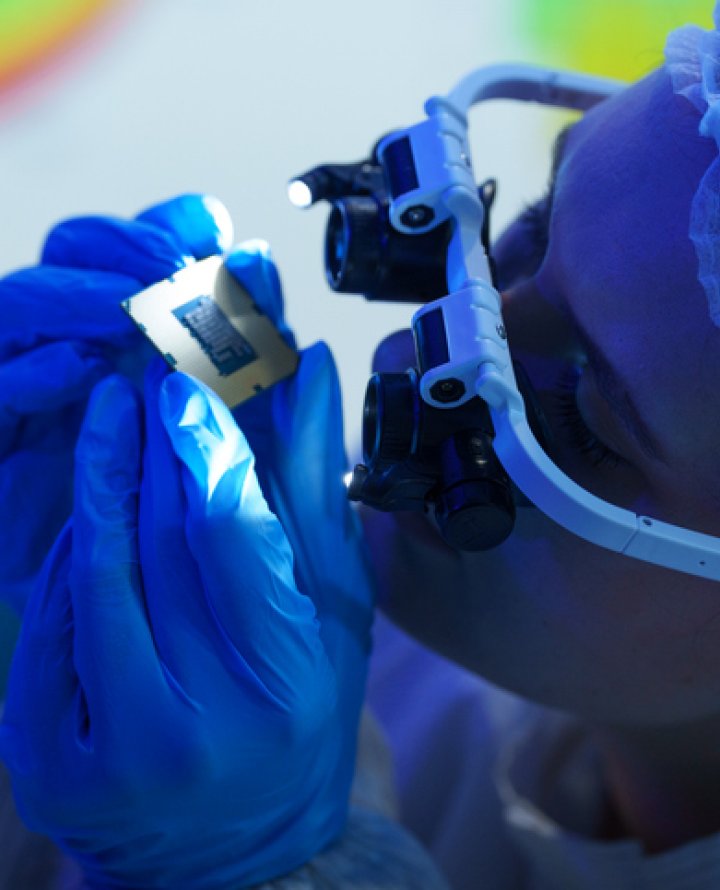
New digital technologies, unreliable software, and growing capabilities to process large amounts of data can lead to privacy and security issues. More and more things are becoming smart: think of smart cities, but also the large amounts of medical data around personalised health. We are surrounded by digital devices and are now dependent on them. We also have a digital life alongside our own, and the boundaries between the two are blurring greatly. Think, for instance, of the influence that smartphones, smartwatches or smart implants have. However, our digital lives have also made us more vulnerable. For instance, it is relatively easy to infect with malicious software. We are moving towards a system where our real life and our digital life are further integrated, but must be able to rely on safely operating digital components. Just as the human body has a defence and recovery system, our digital counterpart will need to be able to protect itself and keep itself healthy. Social, ethical, legal, technological, economic and political aspects may come into play here. This question mainly concerns technological innovations to protect people, both in the form of hardware and software.
Connecting character
The question is important for all top sectors because of the ever-increasing digitalisation and its consequences for security. Innovations are needed to make the digital infrastructure more secure. This question connects to topics such as big data and quantum computers and internet. Recent developments around quantum computers offer new opportunities, but also pose a threat. On the one hand, all current internet codes are easily broken by future quantum computers. On the other hand, with the help of quantum communication, keys can actually be exchanged securely in the future. This theme also touches on the connection of innovations to social and moral values. How does technology affect human existence and social change, and what ethical questions does this raise? The question is also linked to the issue of to what extent a balance can be struck between privacy, free availability of data and data monopolies.