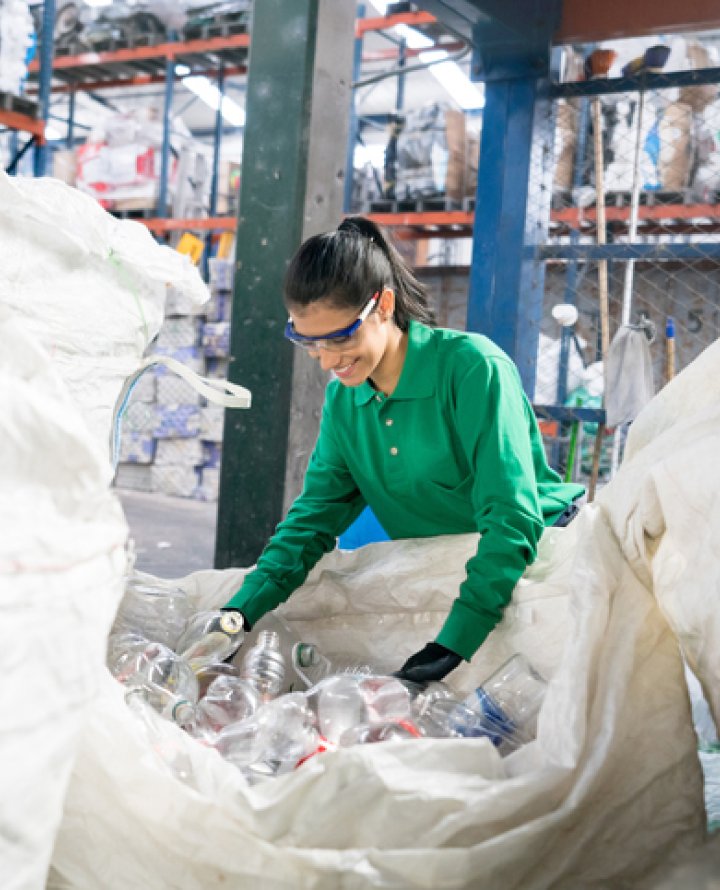
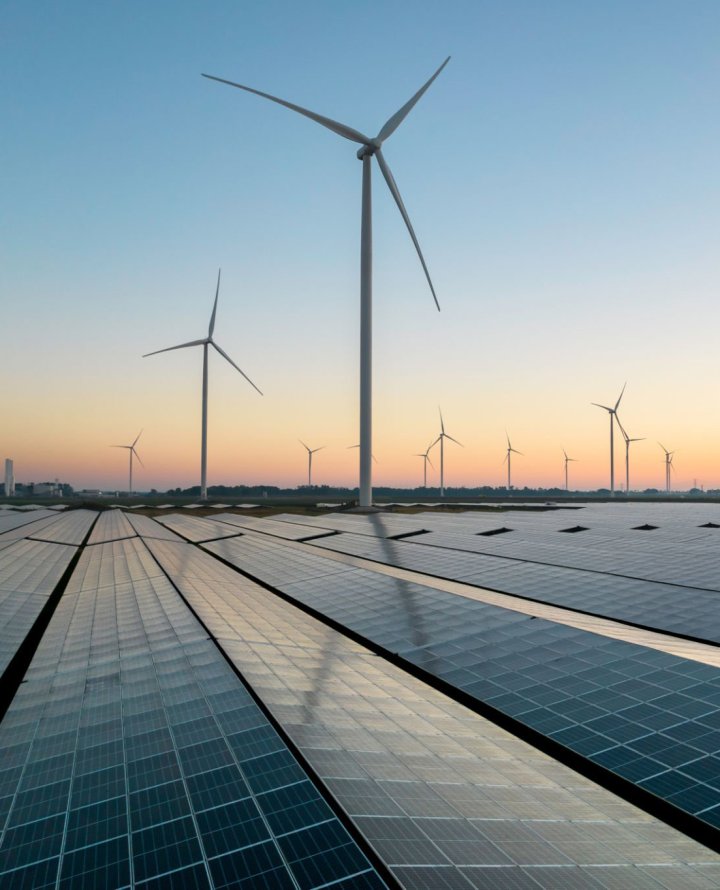
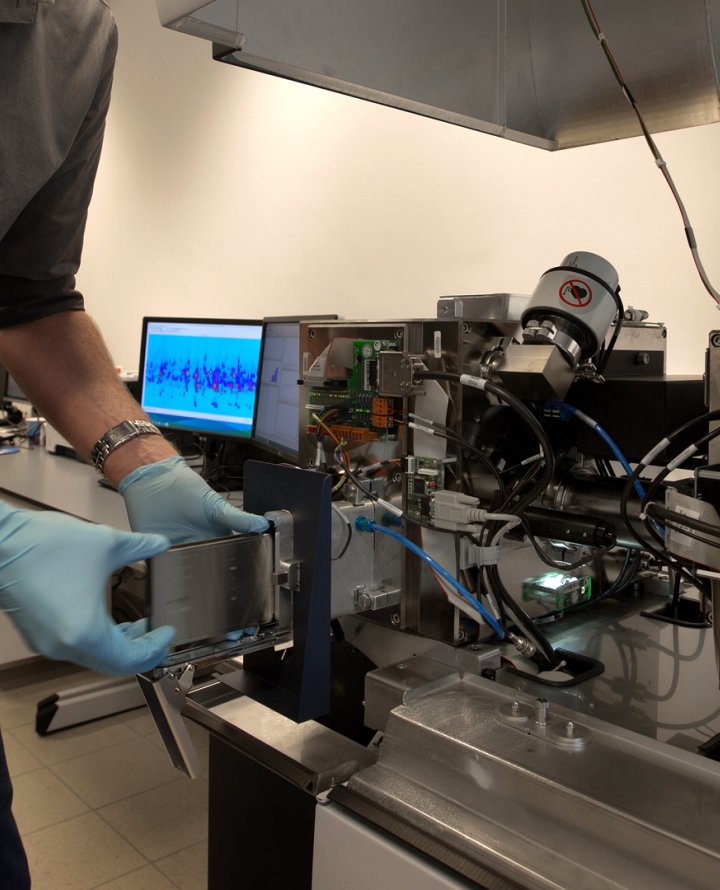
Chemistry has brought mankind an improvement in quality of life that cannot be underestimated. Medicines, plastics, electronics, clothing, means of transport: they would not have existed without chemical research and chemical production processes. At the same time, it is clear that the current way of working burdens the environment and depletes resources, and with increasing demand there is a major challenge to further improve the sustainability of chemical production. If we want to maintain the same or a higher standard of living while reducing or even neutralising the impact of our actions, we will have to make materials and their production processes more sustainable. This will require a major effort of (bio)chemical research. Can we replace current materials with more environmentally friendly alternatives? What are the best production methods: chemical or biochemical, catalytic or stoichiometric (via fixed ratios between substances)? What insights can chemistry provide to better reuse or recycle materials after use? These questions require an open approach, stimulating research into new, sustainable molecules and materials, their structure and properties, (bio)chemical production processes and separation and reprocessing processes.
Connecting character
Embedded in this question is the ambition to lead the transition to green chemistry. Chemical research in the Netherlands is at an internationally recognised high level. This particularly concerns research into sustainable production processes, (bio)catalysis, polymer and material research and chemical characterisation. Several concentrations of top groups are active in various facets of sustainable production. Sustainability is a spearhead in Horizon 2020 and top priority of the chemistry top sector. The submitted questions that fall under this question mainly relate to the programme headlines Chemical Conversion, Process technology and Synthesis and Advanced Materials. Since chemistry, besides being a supplier of (food) substances and materials, is an enabler for innovation in other sectors, connections to other research areas are also obvious. The question ties in with the policy area 'Making the economy more sustainable and ecological'.