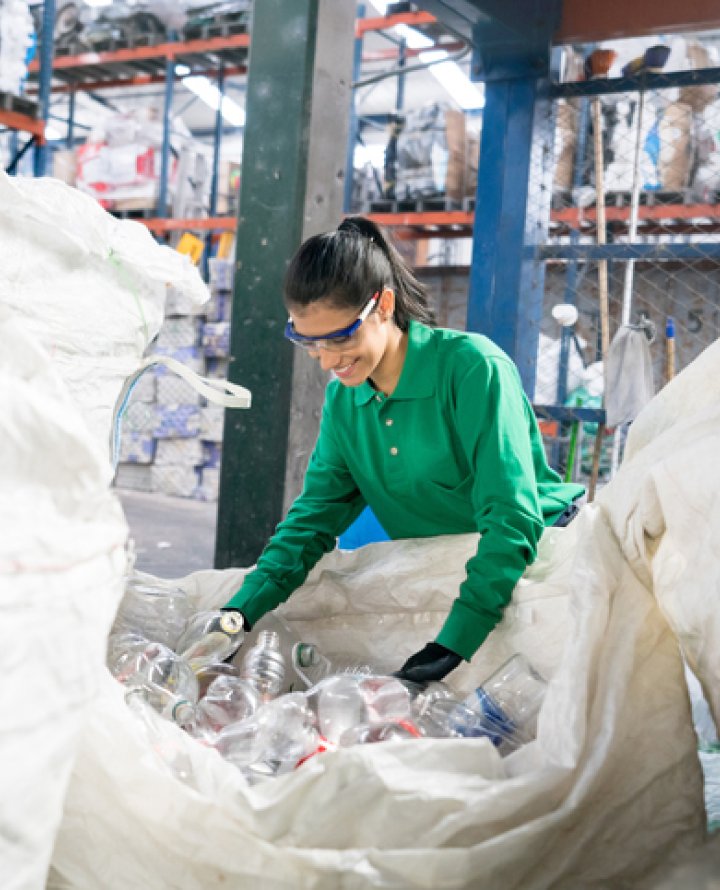
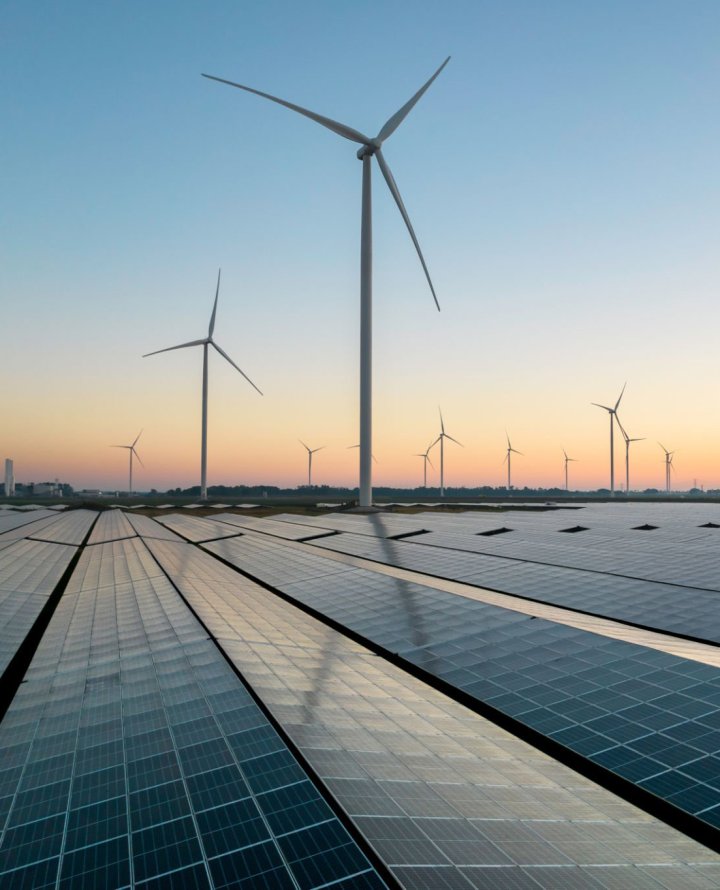
The ultimate social task in the field of raw materials, energy and materials is to realise a circular economy, where nothing goes to waste and the residual stream of one process is the raw material for another. As soon as the price of raw materials rises due to scarcity, it also becomes economically more interesting to reuse or recycle materials. Initially, efforts are being made to close this chain for processes based on fossil raw materials. Closing the chain for not fully degradable biobased materials is also increasingly important. Important steps towards sustainability lie in designing constructions in such a way that they can be easily broken down and recycled. Safely extending the lifetime of structures is also a good solution. Monitoring the condition of a structure during its useful life is an essential element here. For green raw materials and energy sources, they must be produced in a responsible manner, without competing with food and preserving agricultural production capacity. Furthermore, they should be recycled after use or returned to nature as food.
Connecting character
An example of a sector where this question plays a strong role is construction, because of the large amounts of materials and energy involved. Here, much research is needed at process level: new forms of work, tendering procedures, logistics of raw materials, new value chains and business models for lifecycle approaches or building with nature. Also important here is the sustainable use and effective monitoring and management of the subsurface. The top sectors Chemistry, Energy, Creative Industry and Agri & Food mention research on the circular economy in their knowledge agendas. The research needed is both exploratory and applied, as well as policy-supporting and normative in nature. Besides fundamental research into self-repairing materials for life extension of objects, it also involves, for instance, research into alternatives for scarce raw materials or the use of robotics and automation. In addition, effective incentives, motivation for behavioural change and regulations for the circular economy will have to be designed. Sustainability research is thus research that has great relevance to the approach used in Socially Responsible Innovation.