One of the great leaps forward in medicine and healthcare was the discovery of antibiotics, which allowed bacterial infectious diseases to be fought much more effectively. Soon, however, resistance also occurred. The widespread use of antibiotics in both human and veterinary medicine led to an explosion of antimicrobial resistance (AMR) since the 1980s. Some variants of Staphylococcus aureus (MRSA), Klebsiella pneumoniae (causative agent of pneumonia) and Mycobacterium tuberculosis (causative agent of TB), among others, are resistant to almost all antibiotics known to us. In addition, resistance to antimicrobials aimed at controlling other micro-organisms such as parasites, viruses and fungi is an increasing problem. Malaria is a notorious example. Antimicrobial resistance is therefore one of the biggest threats to public health due to increasing costs, health problems and efforts to control and prevent antibiotic resistance in healthcare, agriculture and the environment.
Connecting character
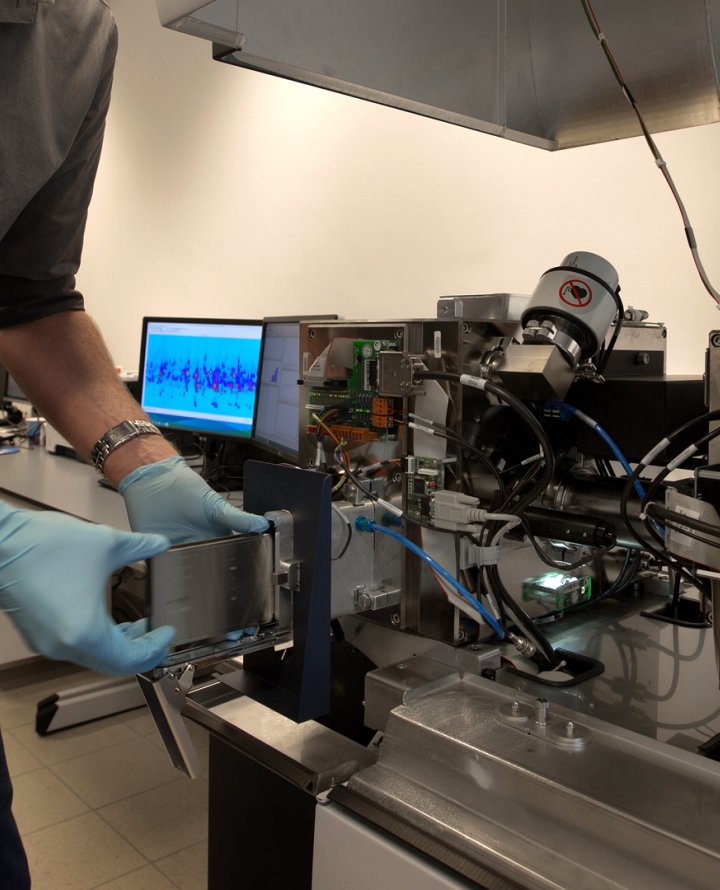
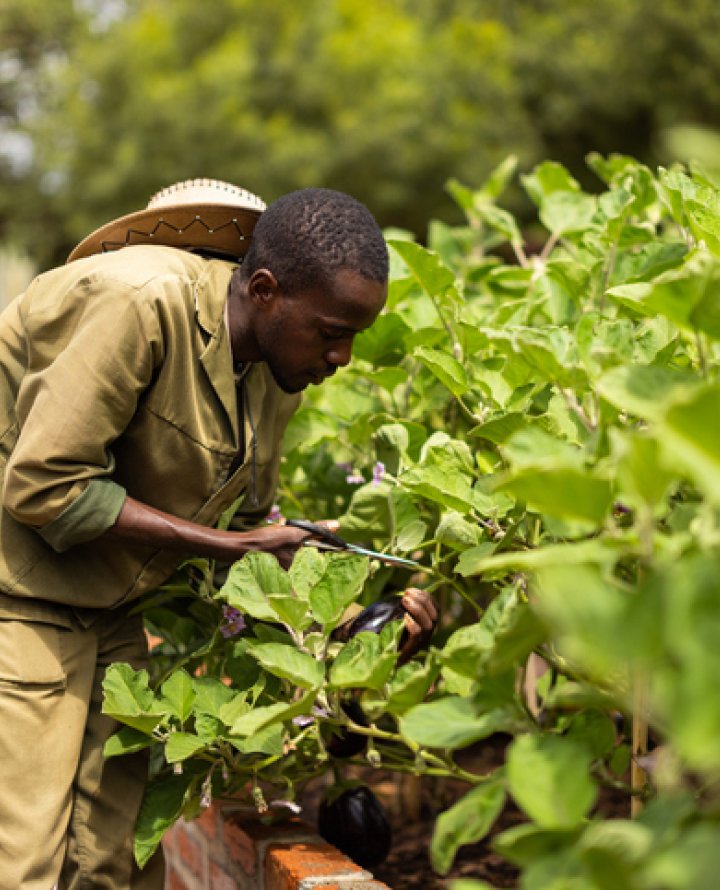
Controlling pathogenic micro-organisms requires far-reaching multidisciplinary research, both in the field of developing new drugs and preventing resistance. Improved diagnostics are needed to identify as quickly as possible in patients the pathogenic micro-organism causing the disease and the associated resistance profile. The vast majority of antimicrobial drugs originate from microorganisms. 99 per cent of the microbiome cannot yet be cultured and therefore represents a great potential of new antimicrobial drugs. To develop new drugs, technologies such as synthetic biology, genomics and metabolomics need to be further developed and applied. New revenue models will have to be developed in the public-private setting, as the development costs of new antibiotics are difficult to recover. Furthermore, attention should be paid to responsible use of antimicrobials in humans and animals and preventive hygiene in hospitals and nursing homes. It is very important to include the agricultural sector in these studies in view of our intensive animal husbandry systems, organisation and practices in various production and marketing chains and hygiene measures in agriculture. Wastewater streams are also an important source of spread of antimicrobial resistance (AMR). Therefore, these need to be properly mapped.