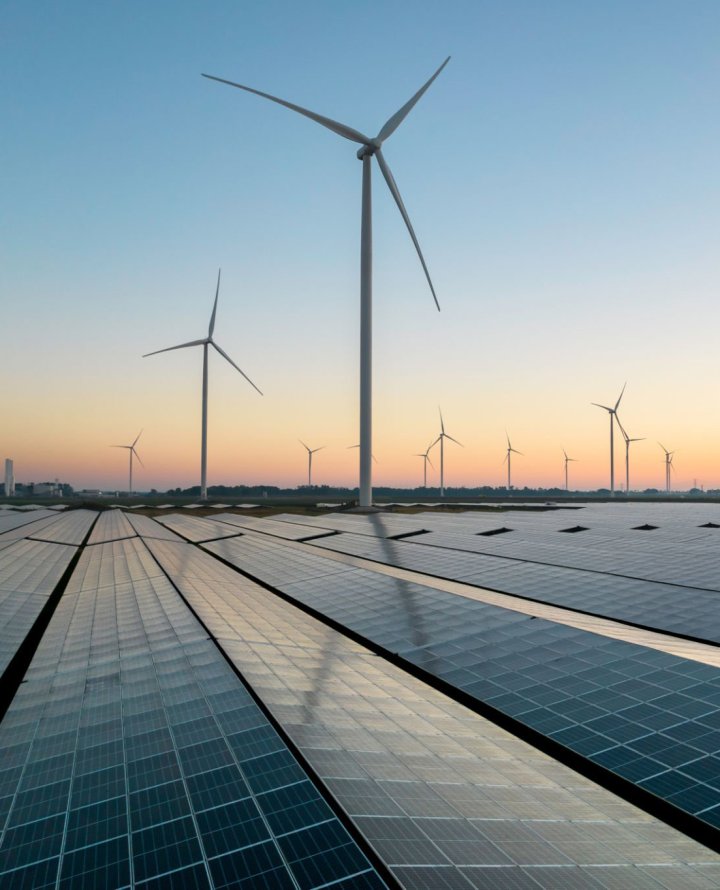
Energy from the sun is renewable and almost inexhaustible. Plants can capture this energy through photosynthesis and convert it into building materials for life on Earth. Fundamental and applied science offer opportunities to mimic photosynthesis and improve the efficiency of the process. In this way, sustainable production of biomass for food, biofuels and the bio-based economy can make a crucial contribution to a new green revolution.
Connecting character
This research question is highly interdisciplinary in nature, connecting genetics and physiology with model design. Research on photosynthesis connects to the increasing global demand for sustainably produced energy, food and raw materials for industry. It offers fundamental evolutionary insights on the one hand and application-oriented leads for improving survival mechanisms and potential yield increases in new crops on the other. In close cooperation between knowledge institutions and industrial partners, research is taking place into the development of materials and technical systems, such as artificial leaves, that can mimic photosynthesis (bio mimicry, nature-inspired engineering). Genetic research provides insight into how plants function under different conditions. Using this knowledge helps to optimise the efficiency of the photosynthesis system. Such research also leads to ethical issues, for example on the social acceptance of the use of modified products.