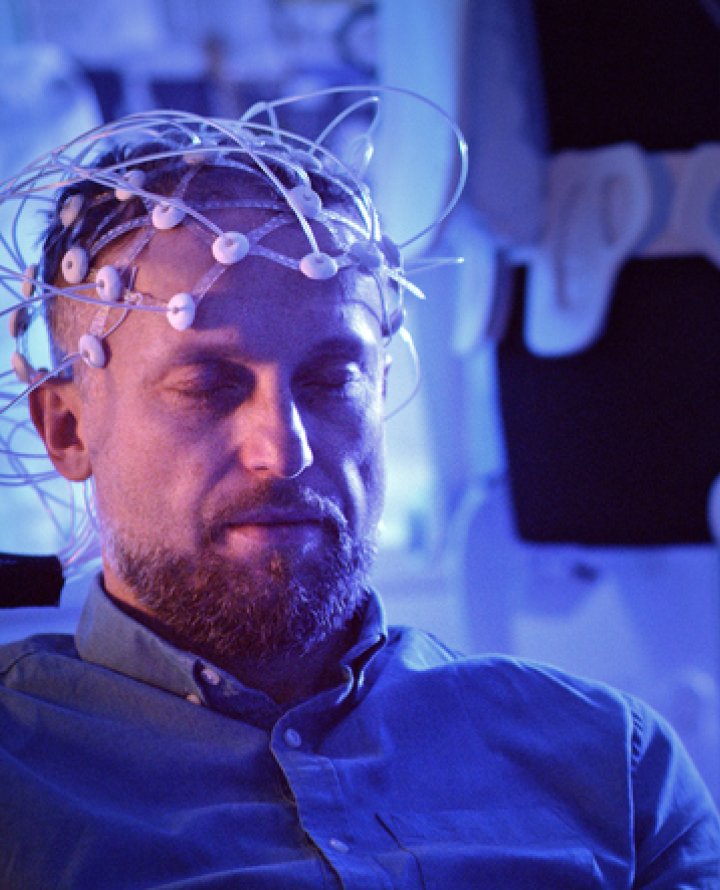
A day without using computers is almost unthinkable. The fact that technology increasingly accompanies us in almost all aspects of our lives is therefore inevitable. Therefore, we are always looking for ways to integrate computers into our activities as naturally as possible. In that endeavour, language and speech technology play a major role, as advanced techniques will make it easier to communicate with computerised systems in natural language. If computers also learn to speak our language, great progress can be made in the further and more natural integration and deployment of automated systems in our daily lives. Improved language technology and better speech recognition of language variants will help. Besides with language and visual communication, computers should also learn to deal with other senses: touch, smell and taste.
Connecting character
This topic calls for interdisciplinary research in the field of human-machine interaction, with input from psychology, artificial intelligence and language and speech technology. Fundamental research in this area has many challenges in the field of language and speech recognition, synthesis and modification, such as overcoming the problems caused by the multilingualism of the Internet. For international information exchange, cooperation and trade contacts, it is important to develop intelligent search engines. This would also allow us to predict developments in the market or society based on research from big data. The use of language technology in companies and organisations can better streamline knowledge and information. Speech recognition can be used to enable intelligent access control in aviation. Another social interest is served by the use of language and speech technology in so-called e-health applications to treat and support people with a communicative disability or autistic disorder.