NWA
De Nationale Wetenschapsagenda

Traumascapes: Valuing, Negotiating and Sharing Sites of Trauma, Pain and Loss

The Netherlands and its former colonial territories are marked by numerous traumascapes: sites that bear the physical traces and symbolic representations, as well as the associated collective memories and socio-psychological effects of trauma, violence, and loss. These traumascapes include not only the plantations in Suriname -testimonies of slavery- and Kamp Westerbork, the transit camp where more than 100,000 people were transported to the death camps during the war - and which was reused after the war as residence of Ambonese veterans of the Dutch colonial war in Indonesia. This category of fraught landscapes also includes the erosion-prone coasts of Bonaire, completely deforested in colonial times as an early ecocrime, and the landscape of gas extraction in Groningen, where the population feels traumatized by decades of marginalization and exploitation.

Due to their significance in shaping the identities of societal groups, traumascapes are critical to identity formation and memorialization. However, traumascapes are frequently points of societal contention regarding how to fairly and sustainably manage their past, present, and future roles in society. Conflicting historical narratives, unequal representation, and the prioritization of certain narratives and actors over others in national, regional and local memorialization (and education) have led to ongoing tensions and polarization. These sites often reflect power imbalances where memories of dominant groups are institutionalized while others are marginalized or forgotten, perpetuating exclusion and societal divisions.

In the Traumascapes Project, these issues are addressed by a strong interdisciplinary network of universities and universities of applied science, social partners, memory communities and citizen scientists. In co-creation, they will develop approaches and tools to make the Dutch traumascapes more accesible and inclusive, not only for the purpose of remembrance and trauma processing, but also to avoid undesirable exclusion and polarization, and to deploy these sites for the societal debate and transitions for the future.

Dossiernummer
NWA.1766.24.041
Projectleider
prof. dr. J.C.A. Kolen
Hoofdorganisatie
Universiteit Leiden
Programma
Onderzoek op Routes door Consortia 2024
Financieringsinstrument
NWA L1
Status
Initieel
Thema
Individu en samenleving
Technologie en maatschappij
Consortium
Amsterdamse Hogeschool voor de Kunsten, Erasmus Universiteit Rotterdam, Erfgoedhuis Zuid Holland, Herinneringscentrum Westerbork/Westerbork Memorial, Jewish Cultural Quarter, KITLV/ Royal Netherlands Institute of Southeast Asian and Caribbean Studies, Koninklijke Nederlandse Akademie van Wetenschappen, Maastricht University, Ministerie van Onderwijs, Cultuur en Wetenschap, Natuurmonumenten, Open Universiteit, Oud-Katholieke Kerk van Nederland, Radboud Universiteit Nijmegen, Rijksdienst voor het Cultureel Erfgoed, Stichting Pelita, Technische Universiteit Delft, Technische Universiteit Eindhoven, Universiteit Leiden, Universiteit Utrecht, Universiteit van Amsterdam, VALUE Foundation, Vrije Universiteit Amsterdam, Wageningen University & Research
Onderdeel van route

19 projecten
40 clustervragen
Afbeelding
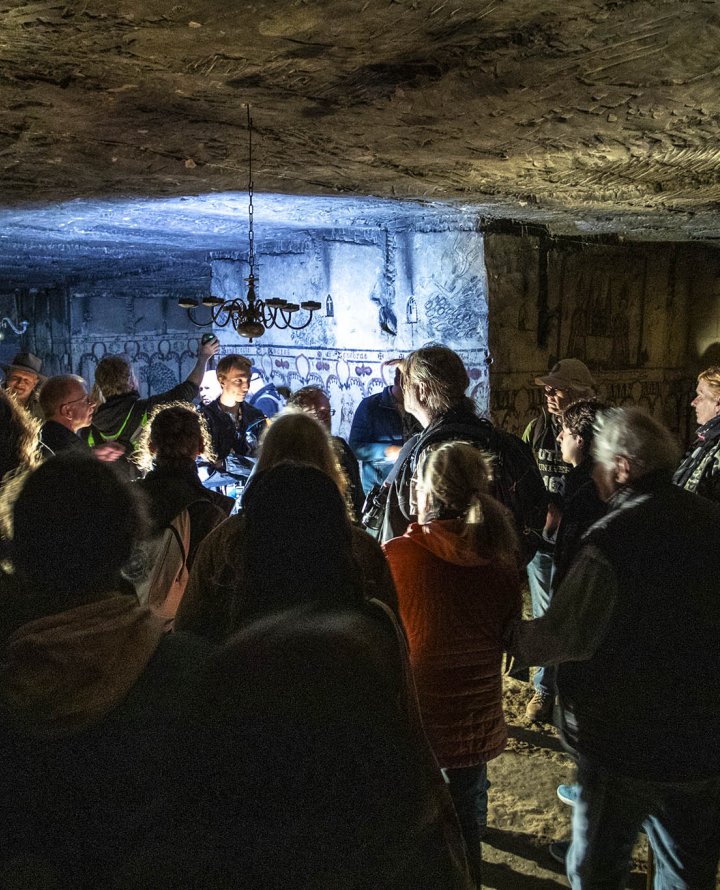
Groep mensen in steengroeve

Wij beantwoorden deze vragen

Welke vragen hopen we met dit project te beantwoorden? Deze vragen zijn gegroepeerd in de volgende clustervragen.