NWA
De Nationale Wetenschapsagenda

BioClock: The Circadian Clock in Modern Society

Since the start of life on Earth, virtually every species evolved under a 24-hour light-dark cycle, giving rise to an internal biological clock that is remarkably well-conserved throughout a wide range of plant and animal species. In most species, specialised photoreceptors respond to specific wavelengths and intensities of light, serving as the principal external signal to the internal clock. Importantly, biological rhythms are genetically encoded according to very similar principles among species. In general, a strong rhythm promotes health, while a disruption of rhythms can exacerbate or even cause a wide range of mental and physical diseases. Since the introduction of shift work in the 1850s, transatlantic flights in the 1960s, and by the pervasive use of artificial light at night, we have been increasingly ignoring our biological clock, and those of the organisms in the natural environment. Due to the high population density, extensive industrialisation, and the widespread presence of greenhouses, the Netherlands is one of the most light-polluted countries in the world. This has dire consequences for our clocks and for health. Preserving our clock has drawn growing interest in society, reflected by the many questions posed via the NWA with respect to: i) optimising our daily schedule in order to improve our health, mood, and sleep quality, particularly among adolescents and the elderly, ii) optimising the efficacy of medical treatments, improving clock function in patients, and developing clock-enhancing tools, and iii) protecting our fragile ecosystem and maintaining our planet’s rich biodiversity. In this project, a unique consortium of scientists, clinicians, local governments, and other societal partners will undertake an ambitious but attainable project designed to directly address these key issues, ultimately benefiting not only our own health and well-being, but also the world around us.

Dossiernummer
NWA.1292.19.077
Projectleider
prof. dr. J.H. Meijer
Hoofdorganisatie
Leids Universitair Medisch Centrum
Programma
Onderzoek op Routes door Consortia 2019
Financieringsinstrument
NWA L1
Status
Lopend
Thema
Ziekten en gezondheid
Individu en samenleving
Mens, milieu en economie
Consortium
Leiden University Medical Center (LUMC), Amsterdam UMC, Hogeschool van Amsterdam (HvA), Erasmus MC, Hogeschool Van Hall Larenstein HvHL, Universiteit Leiden, Universiteit van Amsterdam, Institute of Biology Leiden (IBL), Leiden Academic Centre for Drug Research (LACDR), Nederlands Herseninstituut NIN, NIOO-KNAW, Rijksinstituut voor Volksgezondheid en Milieu RIVM, Rijksuniversiteit Groningen, Technische Universiteit Eindhoven TU/e, TNO, Universitair Medisch Centrum Utrecht UMCU, ARTIS, Centre for Human Drug Research (CHDR), Chrono Eyewear bv, Chrono @Work, Edelris, Gemeente Amsterdam, Gemeente Apeldoorn, Gemeente Den Haag, Gemeente Leiden, Gemeente Rotterdam, Gemeente Texel, Gemeente Utrecht, Geestelijke gezondheidszorg voor mensen in Eindhoven en omgeving (GGzE), Good Light Group, Hersenstichting, Janssen Pharmaceutica, Jeroen Bosch Ziekenhuis, KWF Kanker Bestrijding, Leyden Academy on Vitality & Ageing, Methylomics BV, MediluX BV, NEMO Science Museum, OcellO, Peira, Technolab, Witte Raaf, Algemeen Verbond Van Volkstuinders Verenigingen in Nederland (AVVN), Caring Universities Consortium, Gemeente Putten, Glastuinbouw Nederland, Globe at Night, Holland Rijnland, International Dark Sky Association (IDA), Leids Universitair Behandel- en Expertise Centrum (LUBEC), Naturalis, Natuur & Milieufederaties, Nederlands instituut voor onderzoek van de gezondheidszorg (NIVEL), Openbare Verlichting Nederland (OVLNL), Platform Betere Tijden, Rijkswaterstaat, Smart City program, Gemeente Rotterdam, Vereniging van Ouders van Couveusekinderen, Vreeken’s Zaden, Water Authority Hunze en Aa’s
Onderdeel van route

24 projecten
44 clustervragen
Afbeelding
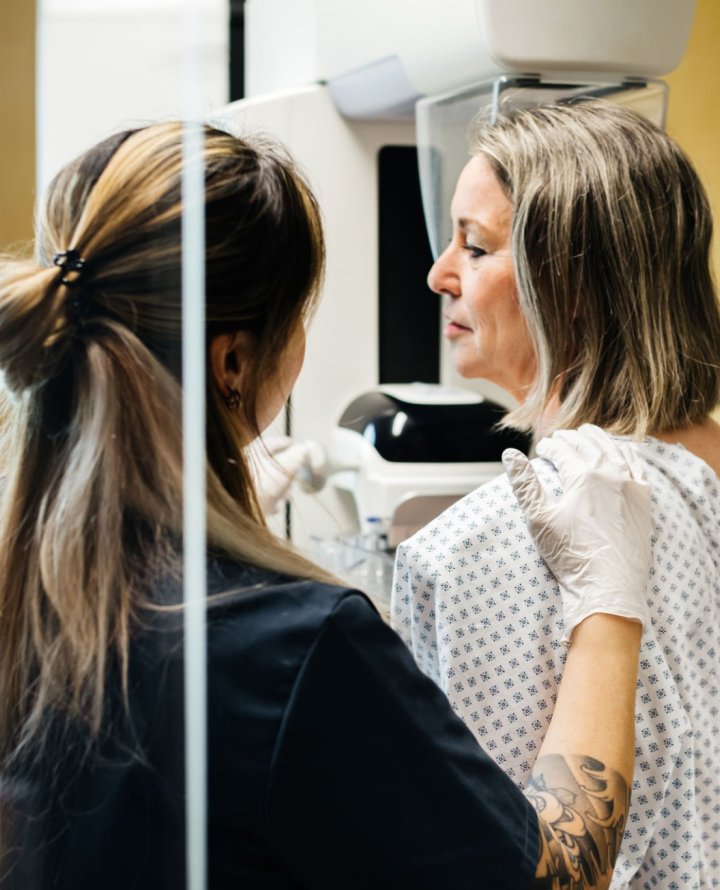
Patient die gescand wordt

Wij beantwoorden deze vragen