NWA
The Dutch Research Agenda

LIVING DIKES – Realising Resilient and Climate-Proof Coastal Protection

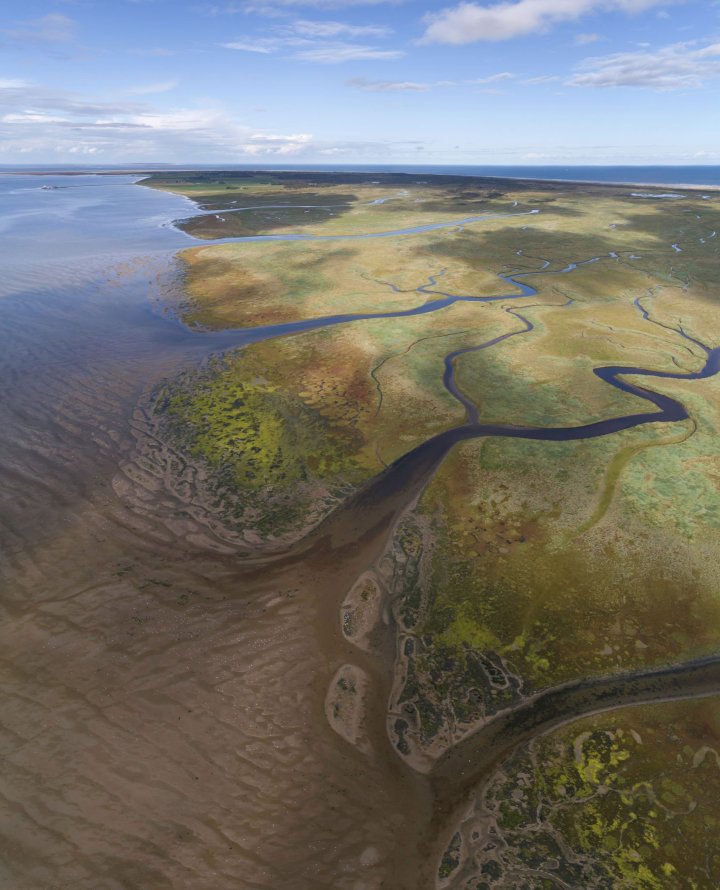
Coastal managers, scientists, communities, governments and NGOs around the world agree: We are in need of innovative coastal protection measures for deltas as these areas are particularly vulnerable to flooding from the sea. Current climate projections consistently show rising sea levels and growing climate variability such as increased storminess and extensive droughts. The expenses involved in the traditional solution of continually heightening asphalt-topped dikes are enormous. We propose the living dike concept as a climate-responsive alternative. It makes use of the widely acknowledged fact that wetlands in front of grass-covered dikes greatly reduce wave loads. They also enhance nature development, provide very effective carbon storage and encourage recreation. Moreover, living dykes may be cheaper to construct than traditional dikes. Most importantly, living dikes are dynamic and resilient as the wetlands can expand and contract by hundreds of metres over time in response to the changing climate. However, living dikes are not yet being implemented because of uncertainties in assessing their performance after major storms, a lack of knowledge on how to create and maintain living dikes cost-effectively as well as a lack of governance arrangements for involving stakeholders in the knowledge chain. In interconnected stakeholder analyses, laboratory experiments, field campaigns and model studies, we will chart these socio-bio-physical interactions. We will also develop a 50-km-long living dike in the Wadden Sea area. This will serve as a Living Lab, in which we will bring insights together to connect scientific knowledge development with real-life challenges formulated by the stakeholders. The applicability of our results is secured since we will work on real-world cases, focus on putting the outcome of the research into practice through the active involvement and commitment of end-users, and work within a proven strong and highly interdisciplinary consortium.

File number
NWA.1292.19.257
Project lead
dr. ir. B.W. Borsje
Lead organisation
Universiteit Twente
Programme
Onderzoek op Routes door Consortia 2019
Funding instrument
NWA L1
Status
Lopend
Theme
Man, the environment, and the economy
Individual and society
Consortium
Universiteit Twente, Koninklijk Nederlands Instituut voor Onderzoek der Zee NIOZ, Universiteit Utrecht, Rijksuniversiteit Groningen, Technische Universiteit Delft, Hogeschool Van Hall Larenstein, Wetterskip Fryslân, Young Wadden Academy, Deltares, Rijkswaterstaat Noord Nederland, SkyPilotUAS, World Wide Fund for Nature, Royal HaskoningDHV, HKV, Arcadis, Witteveen+Bos, Waddenfonds, Veiligheidsregio Groningen, Waterboard Noorderzijlvest, Waterboard Hunze en Aa’s, Hoogwaterbeschermingsprogramma HWBP, Stichting Toegepast Onderzoek Waterbeheer STOWA, Boskalis, Van Oord, Wadden Academy, Deltacommissaris, Buitenspelen, It Fryske Gea, Rijke Waddenzee, Natuurmonumenten, Delft Flood Polder, Provincie Groningen, Provincie Fryslân, Gemeente Noardeast Fryslân, Pachtersvereniging, Waddenvereniging, Neeltje Jans, Task Force Delta Technology, Massachusetts Institute of Technology, University of Antwerpen, University of Florence, University College Cork, Nanjing Hydraulic Research Institute, University of Strathclyde, University of Hannover, VNU University of Science, University of Reading, University of New Orleans, Trinity College Dublin, Technical University of Denmark
We cover these questions

Welke vragen hopen we met dit project te beantwoorden? Deze vragen zijn gegroepeerd in de volgende clustervragen.