NWA
The Dutch Research Agenda

ExpACT: Exposome ACTion perspectives

The exposome significantly affects health, with air pollution being a primary component. Urban, rural, and industrial air quality (AQ) debates highlight the need for dynamic, in situ, real-time AQ monitoring. This is vital for evaluating interventions, identifying pollution sources, ensuring compliance, and empowering stakeholders, including citizens and workers. Such monitoring requires integrating data with diverse spatial and temporal resolutions and detailed phenotyping. Societal transitions—such as in energy, mobility, sustainable production, and sustainable farming—are shifting the exposome's air component, emphasizing the need to not only enhance current AQ methods but also innovate new technologies.

ExpACT targets these challenges, leveraging existing Living Labs to engage stakeholders and citizens in AQ discussions related to societal changes. ExpACT will co-create new measurement technologies: novel collection methods, open-path spectroscopy, MS-based exposome scans for chemical and biological analysis, micro-spectroscopic techniques for particle characterization (including micro- and nanoplastics), and allergen (pollen) screening tests via flow-cytometry. These technologies will be integrated into a multi-modal assessment strategy to provide actionable data to stakeholders. They have been selected based on stakeholder needs, the potential for accurate and scalable deployment, and their applicability to other exposome components like water and food. Furthermore, ExpACT is developing and testing participatory methods to gather broader perspectives for co-developing mitigation strategies.

ExpACT's sustainability is secured by linking to local, national and international exposome programs and by developing FAIR open data platforms and products for data accessibility, integration, analysis, visualization, and interpretation. This collaborative project between knowledge institutions, the private and public sectors, and citizens has the ultimate aim to equip stakeholders with advanced technologies, tools, and reliable information on biological and chemical air compounds in diverse settings, fostering co-development of custom strategies for mitigating hazardous AQ components.

File number
NWA.1630.23.020
Project lead
prof. dr. ir. R.C.H. Vermeulen
Lead organisation
Universiteit Utrecht
Programme
Onderzoek op Routes door Consortia 2023
Funding instrument
NWA L1
Status
Lopend
Theme
Man, the environment, and the economy
Individual and society
Sickness and health
Technology and society
Consortium
AIREAS, ArboUnie, Barcelona Institute for Global Health, Cosanta B.V., Cosine, De Haagse Hogeschool (HHS), De War, Gemeente Nijmegen, Gemeente Utrecht, Hogeschool Rotterdam – Rotterdam University of Applied Sciences, Netherlands eScience Center (NLeSC), NEVEDI, Omgevingsdienst regio Arnhem,Omgevingsdienst regio Nijmegen, Province of North Holland, Province Utrecht; Data en Kennis Hub Gezondstedelijk leven, Radboud Universiteit Nijmegen, RECETOX Centre, Masaryk University, Regiodeal Gelderse Vallei, Rijksinstituut voor Volksgezondheid en Milieu, Royal Netherlands Meteorological Institute, Stichting Nederlands Kenniscentrum Arbeid en Longaandoeningen, Technische Universiteit Delft, TNO, TNO Utrecht, Top Institute Comprehensive Analytical Sciences, Universitair Medisch Centrum Utrecht, Universiteit Leiden, Universiteit Utrecht, Waag | technology & society
Part of routes

5 projecten
78 clustervragen
Afbeelding
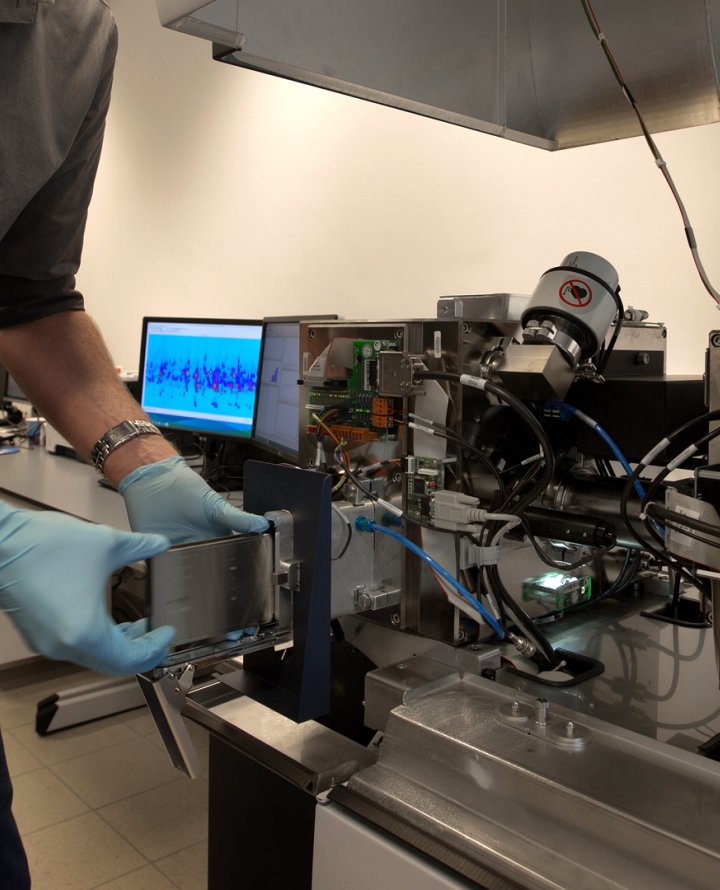
Meetopstelling

We cover these questions

Welke vragen hopen we met dit project te beantwoorden? Deze vragen zijn gegroepeerd in de volgende clustervragen.