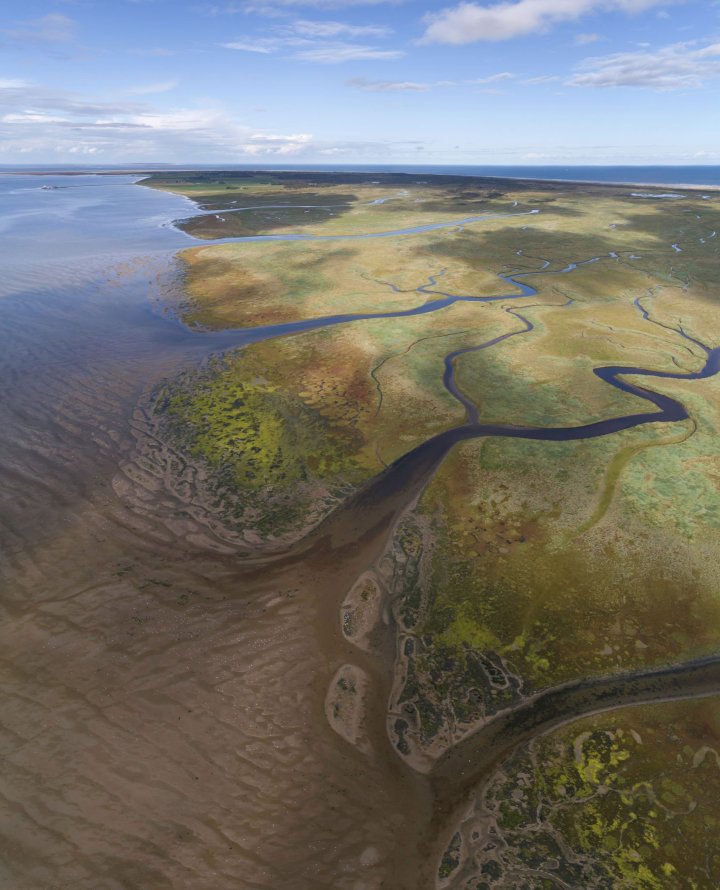
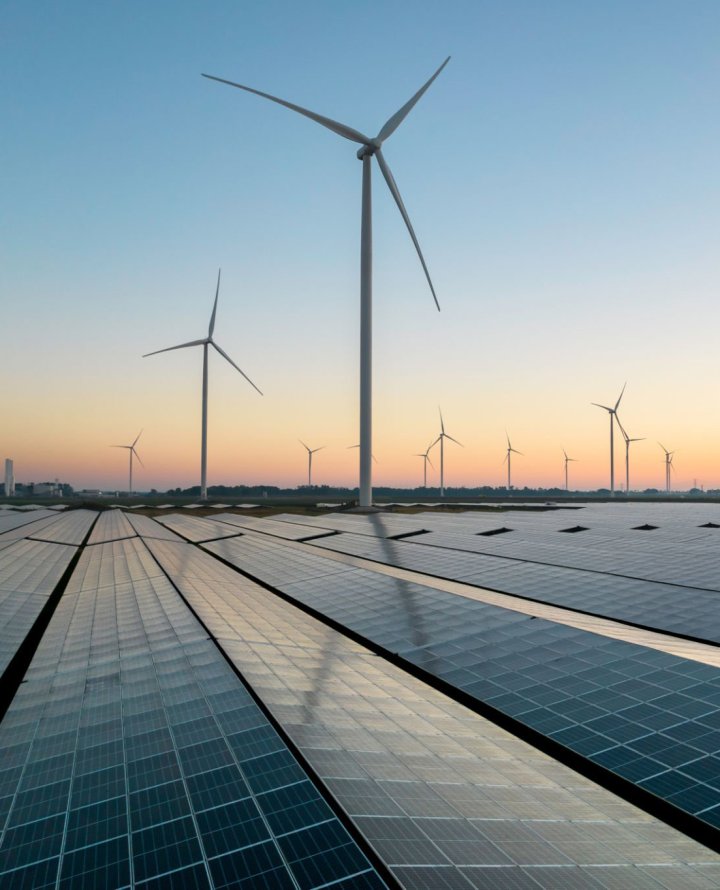
The sea is essential for our future supply of energy, food and raw materials. However, knowledge about the ocean system is still very limited. This is mainly related to the enormous size and relative inaccessibility of this system. Meanwhile, human influence on oceans is getting stronger through intensive fishing and transport, acidification due to the increase of CO2 in the atmosphere, nutrient pollution leading to dead regions in the ocean, pollution with plastics, climate change and related changes in flow patterns. How do these changing conditions affect the system, including biology and ecology, chemical composition of seawater and sediment, physical properties and interactions with land and with the atmosphere? Based on monitoring, experiments, models and reconstructions of the past, how can we better understand the sea and make accurate future projections of how oceans and seas will change?
Connecting character
Seas and oceans require an integrated, multidisciplinary and often international approach and therefore have an exceptionally high connectivity capacity. Close cooperation between science, various national and international governments and economic partners is needed to better understand seas and oceans, monitor them over the long term and use them sustainably for various purposes based on sound knowledge. The immense economic significance of the sea in terms of energy, raw materials, fisheries, aquaculture and transport offers great opportunities for the future, but also brings with it the obligation of efficiency and sustainable use. This not only requires a good understanding of biological, ecological, chemical and physical processes, but also underlines the need for new or adapted laws and regulations, innovative technological research and studies of social implications and socio-economic frameworks (socially responsible innovation) for working on and with the sea. Innovative and interdisciplinary research at and between different scales is needed to ensure a good balance between protection or restoration and economy for the future. This should include attention to: health issues such as those concerning toxins in the food chain between sea and man, social aspects such as the social economy of coastal regions, the sea as a potential threat to densely populated deltas and monitoring for maintaining good environmental status. National and international governments, industry and science will have to work closely together to unlock the secrets and treasures of the sea in a sustainable, cost-effective and ethical way.