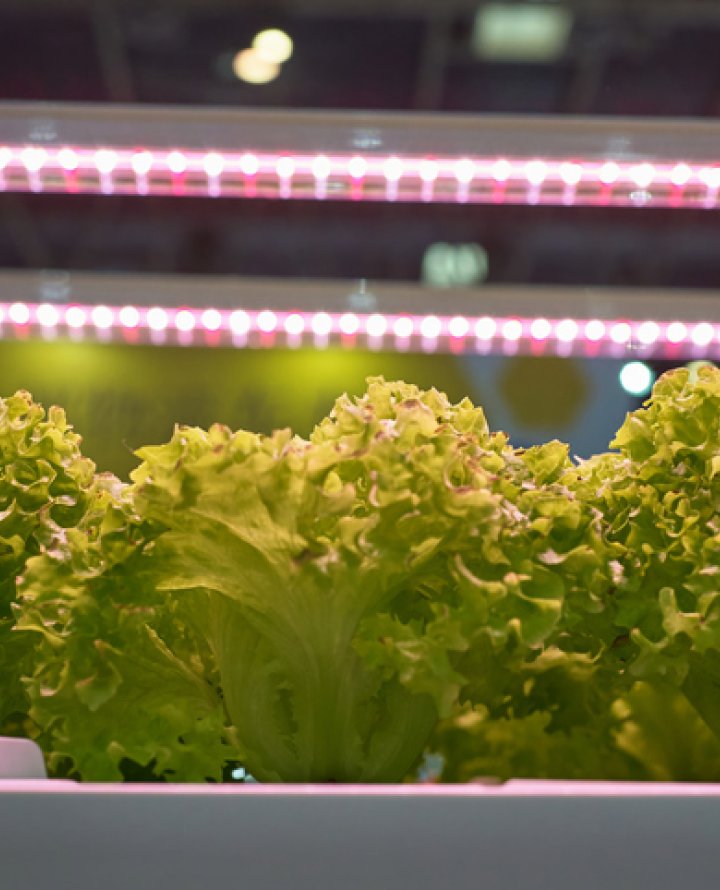
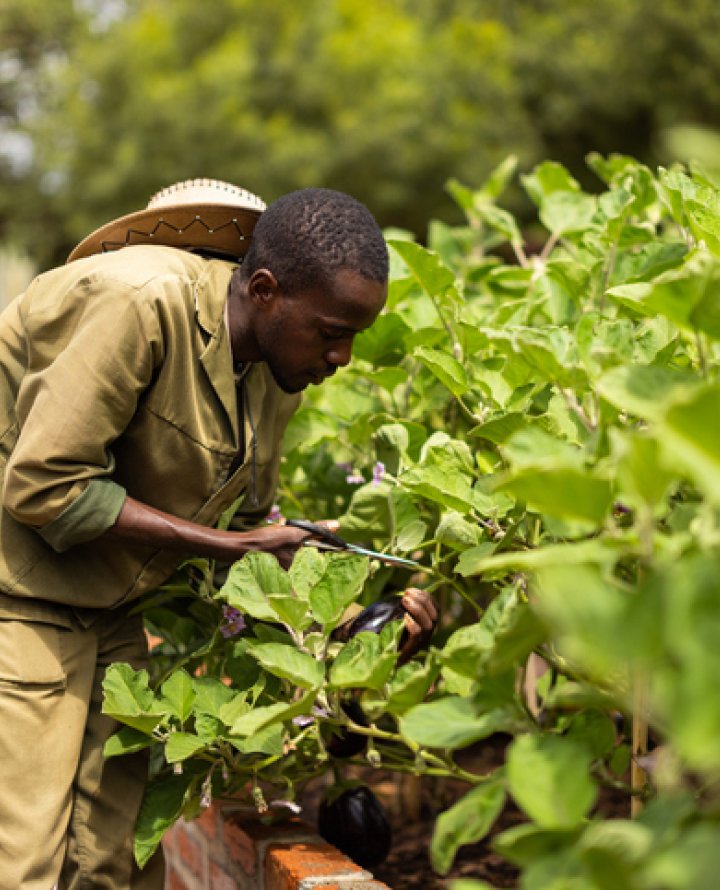
Plants are the most important primary source of food on earth. They also provide us with important products including cotton fibres for clothing, starch for industry, and medicinal substances used in medicine. Optimisation of cultivation during the Green Revolution has greatly increased productivity per cultivated area. Meanwhile, the world's population is growing so fast that another Green Revolution is needed, which in addition will eliminate the adverse effects of the first Green Revolution, such as excessive use of fertilisers and pesticides and increasing erosion and soil salinisation. Among other things, knowledge of plants and modern plant breeding is indispensable to design the dreamed-for, sustainable crops of the future. These crops will be able to make do with less water and fertiliser, grow well on marginal soils and also capture sunlight very efficiently. At the same time, they must be able to defend themselves well against diseases, pests and climate-related stress factors.
Connecting character
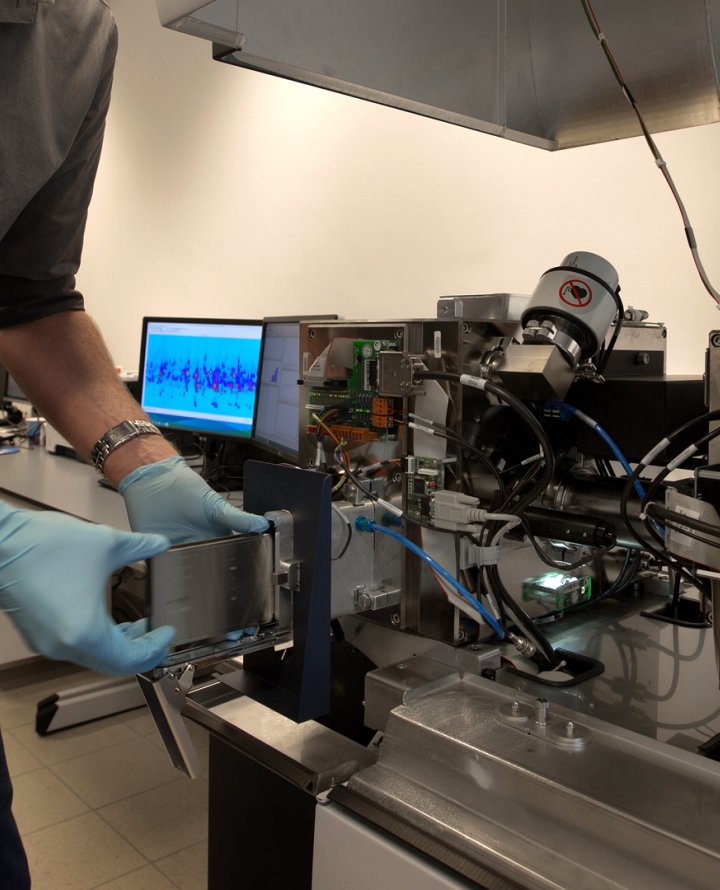
Developing crops that can meet the above challenge requires both continuous innovation in breeding and new insights, which can be gained through a combination of genetic, physiological and phytopathological plant research supported by the latest technology in genomics, imaging and bioinformatics. Also important here are the relationship between humans and the environment and the role of micro-organisms: attention should be paid to complete ecosystems. The Netherlands plays a leading role worldwide in these areas of science and, together with its leading plant breeding industry, is able to provide future-proof solutions. To be able to deploy newly acquired knowledge and new crops optimally, large parties, SMEs and science must work together and good management with attention for social aspects is required. If used properly, the entire chain can benefit from this, from the person who no longer has to carry around the poison sprayer to the consumer.