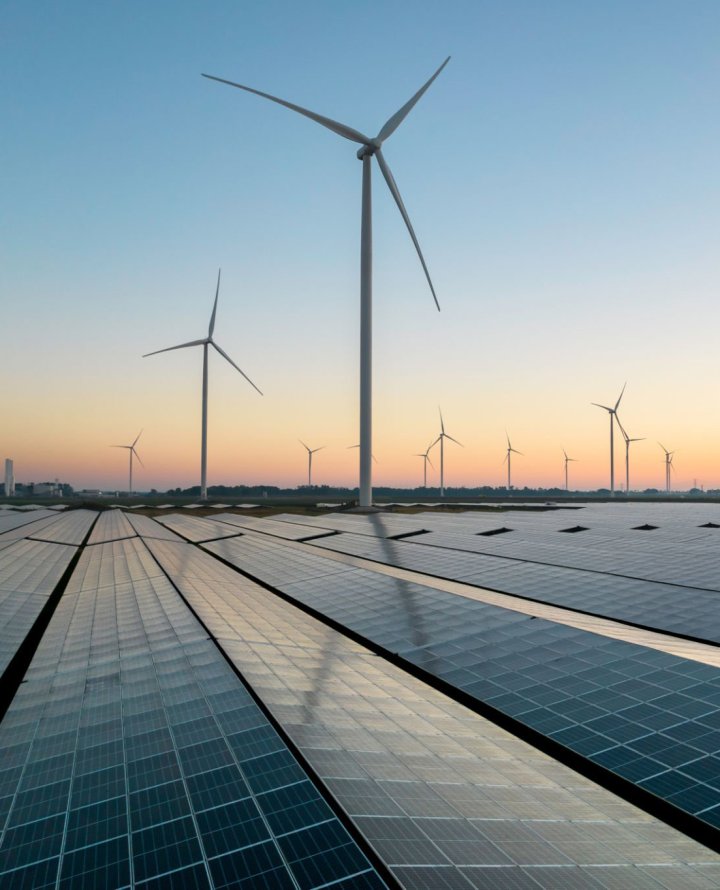
Solar energy is the renewable energy source with the greatest global potential. This form of energy is available everywhere on earth and can be used as fuel, to generate electricity, and to regulate temperature. Although the use of solar energy is growing rapidly, its absolute contribution to energy supply is still modest. For the sun to meet all or a significant part of our energy needs, the efficiency of converting sunlight into usable energy needs to be greatly increased. At the same time, the cost of conversion must come down. In addition, systems must be long-lasting and preferably based on widely available, environmentally friendly raw materials and materials.
Connecting character
With the current state of knowledge and technology, we can still convert only a limited fraction of sunlight into desired forms of energy. Fundamental challenges include harnessing a larger part of the sunlight spectrum, minimising all losses and long-term, stable operation. These challenges apply in different forms to all types of solar energy conversion: to electricity, fuels and heat/cold. Key research themes include the targeted design and synthesis of new materials and structures, interfaces, colloids, molecules and catalysts, and improving biological and bio-inspired processes similar to photosynthesis, for example. The efficacy of these building blocks needs to be demonstrated in advanced, efficient devices such as solar cells and complete systems. Economic opportunities lie in developing new product concepts, such as power-producing roof elements and windows, and lightweight solar films.Integration of conversion and storage also offers new application possibilities. Solar fuels are still at an early stage of development and the challenge is therefore to demonstrate their technical and economic viability. Besides technical-scientific questions, societal questions are also of great importance in the full transition to solar energy, such as: How can the transition to solar energy generate business and employment?
Which economic models promote the transition?
What are the positive and negative impacts on our living environment and how can we optimise and minimise them respectively?
The question also includes the position of the Netherlands as a producer.
What opportunities and threats are there to build a position in solar energy as a country?
To what extent does this involve, for instance, a lack of raw materials, insufficient production capacity, too high cost levels, patents, logistics, or insufficient visibility as a core player?