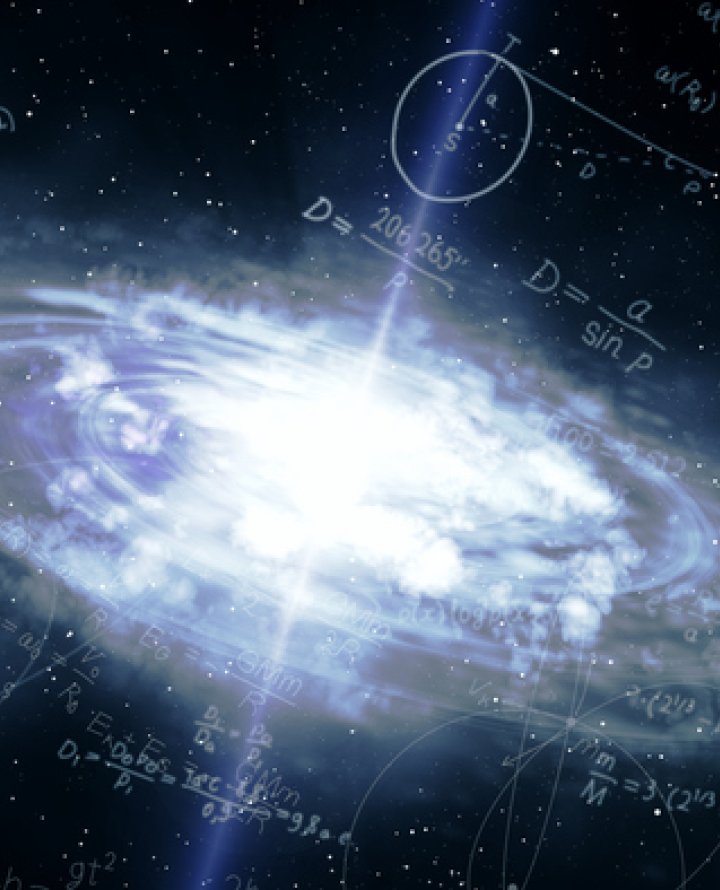
The universe has a complex structure with strong contrasts between extreme emptiness and strong mass concentrations in the form of galaxies, stars, and planets, and eventually, humans. All this emerged from a relatively simple beginning 14 billion years ago. The universe was then filled with a very evenly distributed gas with only the beginnings of structure, which is still visible in the background radiation today. Gravity enhanced that structure by clumping together both normal and enigmatic dark matter. Several hundred million years later, we see the first stars and galaxies lighting up in this cosmic dawn. The first stars produce new elements from which new stars with planetary systems emerge. With the largest telescopes and most powerful supercomputers, we can now observe and simulate all these processes to eventually unravel where all the matter, energy and forces in the universe come from and how they will evolve. For example, the international LOFAR radio telescope, located partly in Drenthe, searches for the effects of the first light after the Big Bang. Several very strong groups of Dutch astronomers and space researchers, united in NWO and top research school programmes and affiliated to international collaborations, are at the forefront of global research into the structures in the universe.
Connecting character
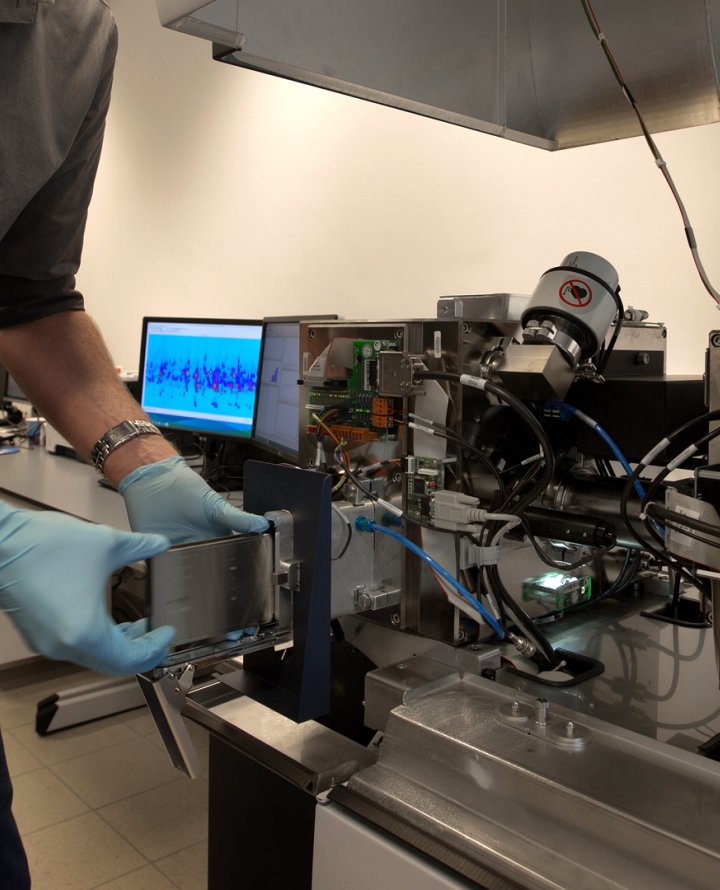
This question covers a large part of astronomy and thus fits the Astronomy Sector Plan. Instrumentation plays an essential role in this research, which has a deep relationship with foundations of physics. Such challenging instrumentation development offers the high-tech industry new derived economic opportunities and cooperation with other companies. Moreover, this development often leads to innovative spin-offs in society. This aligns research on this question with the top sector HTSM. There is also a clear connection with astrochemistry, computer science and mathematics, and interfaces with the theme of self-organisation. Big data, large-scale data collection, is eminently a theme in this question.